
Do you ever lie in bed, your mind racing with the day’s worries, while peaceful sleep feels miles away? If so, you are far from alone. Millions of people struggle with quieting their minds at night, seeking a escape from anxiety and a path to restful sleep. While modern solutions are everywhere, sometimes the best answer is a natural one that has been comforting humans for centuries (teas for sleep and anxiety).
Imagine ending your day not with a sleeping pill, but with a warm, soothing ritual. A delicious cup of tea can be more than just a drink; it can be a powerful signal to your body and mind that it is time to unwind, release the day’s stress, and drift into a deep, rejuvenating sleep.
The right teas for sleep and anxiety are natural allies in your wellness toolkit. They contain special compounds that calm your nervous system, ease tension, and prepare you for slumber. Welcome to TeaHealingHub, where we explore nature’s remedies for modern problems. In this guide, we will introduce you to seven of the best teas for sleep and anxiety, explain why they work, and show you how to make them a part of your nightly wind-down routine. Get ready to transform your evenings and finally get the rest you deserve.
Why Tea is a Powerful Natural Remedy for Relaxation
You might wonder how a simple plant steeped in water can have such a strong effect. The magic lies in the natural compounds found in these herbs and leaves. Many plants have evolved to produce chemicals that have a calming effect on the human nervous system. When we brew them into tea, we gently extract these beneficial properties.
Firstly, the act of making tea itself is a mindfulness practice. The slow process of boiling water, steeping the leaves, and sipping the warm brew forces you to pause. This simple ritual can significantly lower your stress levels before you even take your first sip.
Secondly, the warmth of the tea is physically relaxing. It can help to soothe a tense stomach and warm you from the inside out, creating a feeling of comfort and safety that is ideal for sleep.
Finally, and most importantly, the plants themselves contain active ingredients that promote relaxation. Let’s meet the seven best teas for sleep and anxiety that can help you find your calm.
The 7 Best Teas for Sleep and Anxiety
1. Chamomile Tea: The Classic Sleepytime Brew
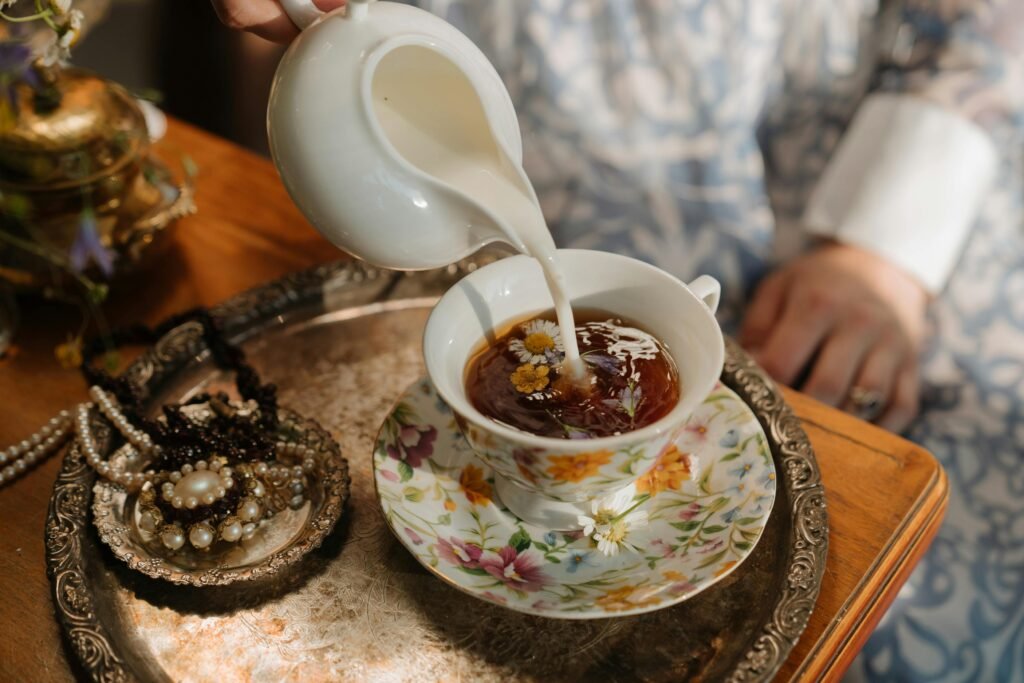
For good reason, chamomile is the most famous tea when it comes to sleep. This gentle, floral tea is much more than a old wives’ tale; its effects are backed by science.
- How it Helps: Chamomile contains an antioxidant called apigenin. This compound binds to specific receptors in your brain that promote relaxation and reduce insomnia. Essentially, it acts as a mild sedative, helping to ease anxiety and initiate sleep.
- Best For: Those who have trouble falling asleep due to a busy mind or general anxiety. It’s also excellent for soothing an upset stomach caused by nerves.
- How to Brew: Use one tea bag or 1 tablespoon of dried chamomile flowers per cup. Pour boiling water over it and let it steep for 5-10 minutes for full potency.
💚 Our Top Pick: Traditional Medicinals Organic Chamomile Tea
This brand uses high-quality, full chamomile flowers for a consistently effective and deliciously smooth cup every night. (Affiliate Link)
2. Lavender Tea: A Scented Cup of Calm
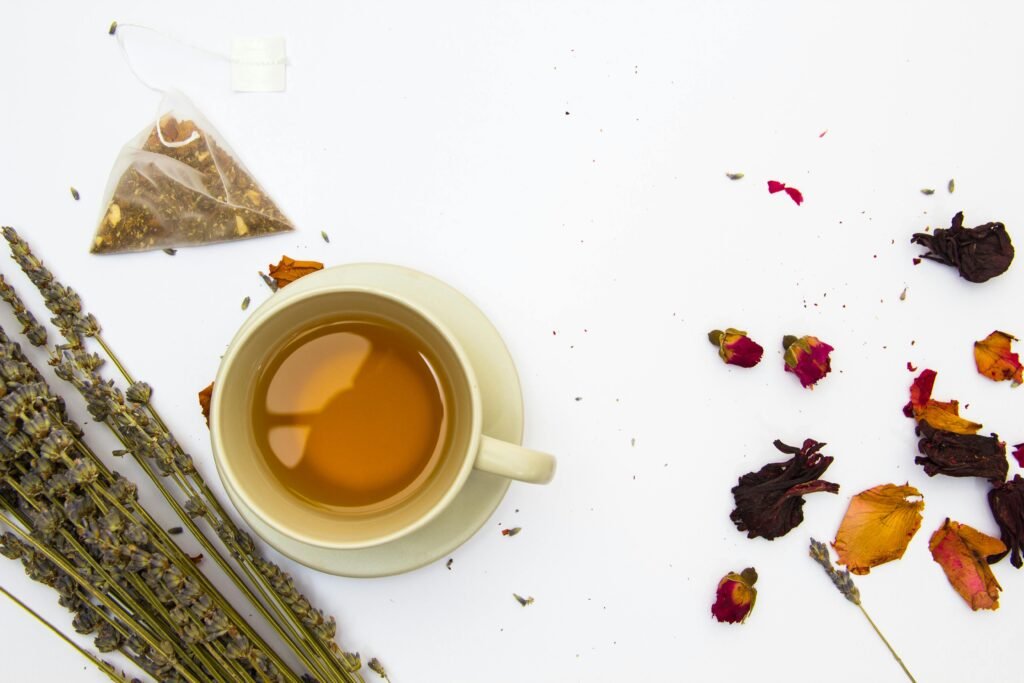
Most people know lavender for its calming scent, but drinking it as a tea is just as powerful. Its beautiful purple flowers make a tea that is as lovely to look at as it is to drink.
- How it Helps: Lavender is well-studied for its anxiety-reducing (anxiolytic) properties. The compounds in lavender, including linalool, have a calming effect on the nervous system, slowing down heart rate and blood pressure. This makes it one of the most effective teas for sleep and anxiety.
- Best For: Reducing panic feelings, relieving tension headaches, and calming acute stress.
- How to Brew: Steep 1-2 teaspoons of food-grade dried lavender buds in hot water for 5-7 minutes. Strain and enjoy.
3. Valerian Root Tea: Nature’s Strongest Sedative
If you need a heavier-duty herbal remedy, Valerian Root is often called “nature’s valium.” It has a strong, earthy taste, but its powerful effects are worth it for many.
- How it Helps: Valerian root is thought to increase the amount of a chemical called GABA (gamma-aminobutyric acid) in the brain. GABA helps regulate nerve cells and has a calming effect on anxiety. Studies show it can significantly improve sleep quality.
- Best For: Those with severe insomnia or people who wake up frequently during the night.
- How to Brew: Because of its strong flavor, it’s often blended with other herbs. Steep a valerian root tea bag for 8-10 minutes.
💚 Our Top Pick: Celestial Seasonings Sleepytime Extra Tea
This popular blend combines valerian root with calming chamomile and spearmint, making it more palatable while boosting its sleep-inducing power. (Affiliate Link)
4. Lemon Balm Tea: Uplifting and Relaxing

Lemon Balm is a member of the mint family and offers a bright, citrusy flavor. It’s wonderful for easing anxiety without causing drowsiness during the day, but it also promotes rest at night.
- How it Helps: Like valerian, lemon balm is thought to boost GABA levels in the brain. It lifts your mood while simultaneously calming your nerves, making it a perfect choice for anxiety that comes with sadness or worry.
- Best For: Daytime anxiety relief and improving sleep that is disrupted by depression or stress.
- How to Brew: Steep 1-2 teaspoons of dried lemon balm leaves in hot water for 5-10 minutes.
5. Passionflower Tea: For a Quiet Mind
Passionflower is a beautiful vine whose flowers and leaves make a subtly sweet and floral tea that is brilliant for quieting racing thoughts.
- How it Helps: Similar to other herbs on this list, passionflower appears to boost GABA levels in the brain. Research suggests it can be as effective as some prescription anxiety medications in reducing symptoms of general anxiety disorder, leading to better sleep.
- Best For: People whose anxiety manifests as repetitive, obsessive, or racing thoughts that keep them awake.
- How to Brew: Steep 1 teaspoon of dried passionflower in hot water for 5-7 minutes.
6. Peppermint Tea: A Soother for Body and Mind
While not a direct sedative, peppermint tea is incredibly effective at relieving the physical symptoms of anxiety that can prevent sleep, such as a knotted stomach or tension.
- How it Helps: Peppermint is an antispasmodic, meaning it relaxes muscles. This can ease stomach cramps, bloating, and tension headaches that are often caused by stress. A calm body is a key step toward a calm mind ready for sleep.
- Best For: Relieving physical tension and digestive upset linked to stress and anxiety.
- How to Brew: Steep a peppermint tea bag or 1 tbsp of fresh leaves in boiling water for 5-7 minutes.
7. Ashwagandha Tea: The Adaptogenic Powerhouse
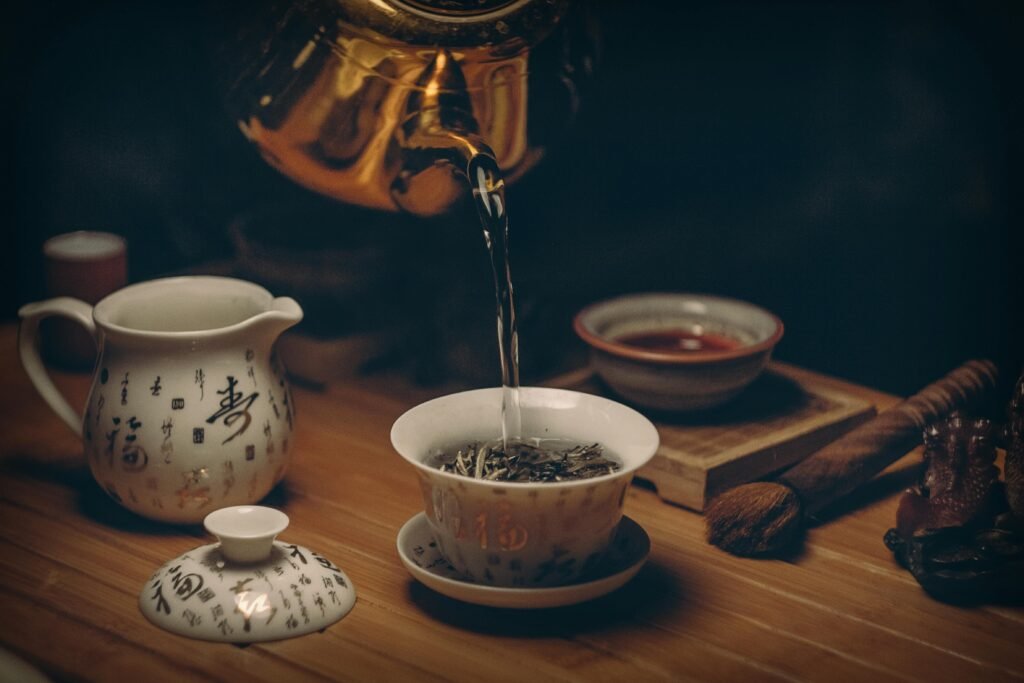
Ashwagandha is an adaptogen, a unique class of herbs that helps your body manage and adapt to stress. It has a distinctive earthy flavor and is a staple in Ayurvedic medicine.
- How it Helps: Ashwagandha works by lowering cortisol levels, the body’s primary stress hormone. By reducing the chemical feeling of stress in your body, it alleviates anxiety and makes it easier to fall into a natural, deep sleep.
- Best For: Those experiencing burnout, chronic stress, or exhaustion from long-term anxiety.
- How to Brew: It is often sold as a powder or in tea bags. Follow the package instructions, often steeping for 5-10 minutes.
💚 Our Top Pick: Organic India Tulsi Ashwagandha Tea
This blend combines the adaptogenic power of Ashwagandha with Holy Basil (Tulsi), another renowned stress-relieving herb, for a powerful calming effect. (Affiliate Link)
How to Create Your Perfect Bedtime Tea Ritual
Making tea for sleep is about more than just drinking it. Here’s how to build a ritual that tells your brain it’s time to shut down:
- Be Consistent: Try to have your tea at roughly the same time each night.
- Unplug: Make this a screen-free time. Put your phone away.
- Set the Mood: Dim the lights, maybe light a candle, and sit in a comfortable chair.
- Be Mindful: Focus on the experience—the smell of the steam, the warmth of the cup in your hands, the taste of each sip.
- Give it Time: Drink your tea about 30-60 minutes before you want to be asleep.
Conclusion: Embrace Calm Nights and Peaceful Mornings
Finding relief from anxiety and sleepless nights doesn’t always require a complicated solution. Often, the answer is found in the gentle, natural power of plants. These seven teas for sleep and anxiety offer a safe, effective, and enjoyable way to tell your body and mind that it is time to rest.
We encourage you to experiment and find which tea works best for you. Remember, this is a journey of relaxation, not a race. Be patient and kind to yourself as you develop this new, healthy habit.
Ready to transform your sleep? Explore our recommended products above to find the highest-quality, most effective teas for sleep and anxiety on the market. Each purchase through our links supports our mission to bring you natural wellness advice.
We’d love to hear from you! Which tea are you most excited to try? Do you have a favorite nighttime blend? Share your experiences and questions in the comments below—we love helping you find your calm!
Don’t forget to share this guide with a friend who needs better sleep and pin it to your Pinterest wellness board for later!