
Introduction to Herbal Teas for Stress Relief
In today’s fast-paced world, managing stress has become a significant concern for many individuals. The relentless demands of modern life can lead to heightened anxiety and unease, making it essential to explore effective solutions for relaxation and peace of mind. One such solution that has stood the test of time is herbal tea, renowned for its soothing properties. Herbal teas have long been utilized in various cultures for their calming effects, allowing people to connect with a sense of comfort and tranquility.

From ancient traditions to contemporary practices, herbal tea has served as a comforting ritual for those seeking relief from stress. The warm beverage acts as a gentle reminder to pause and unwind, promoting a serene environment where one can reflect and let go of daily pressures. The experience of savoring a cup of herbal tea can create a moment of stillness, enabling individuals to embrace relaxation while simultaneously cherishing the simple pleasure of drinking tea. This ritual can serve as a powerful tool for restoring inner peace amidst a chaotic lifestyle.
Certain herbal ingredients are particularly noteworthy for their effectiveness in fostering relaxation. Chamomile, for instance, is often lauded for its mild sedative properties, making it a popular choice for those grappling with insomnia or anxiety. Similarly, lavender is celebrated for its fragrant aroma and relaxing attributes, which can help alleviate tension and promote better sleep. Other notable herbs such as lemon balm and passionflower have also gained recognition in the realm of natural stress relief. By understanding the calming potential of these ingredients, individuals can make informed choices about incorporating herbal teas into their daily routines.
Understanding Stress and Its Effects
Stress is a natural response that occurs when an individual faces demands or challenges perceived as overwhelming. This psychological and physiological reaction is essential for survival, as it prepares the body to deal with threats. However, when stress becomes chronic, it can lead to a multitude of adverse effects on both the mind and body. In contemporary society, stress has emerged as a prevalent issue, affecting millions of individuals across various demographics.
Short-term stress, while potentially motivating, can manifest as anxiety, irritability, or restlessness. Physically, it may lead to symptoms such as increased heart rate, muscle tension, and fatigue. According to the American Psychological Association, approximately 77% of individuals experience physical symptoms caused by stress, indicating its widespread impact on health.
Long-term stress, on the other hand, can have far more serious consequences. Prolonged exposure to stress hormones can disrupt various bodily systems, leading to chronic conditions such as hypertension, heart disease, and diabetes. Additionally, mental health issues, including depression and anxiety disorders, can arise from sustained stress exposure. Research shows that nearly 1 in 5 adults will experience a mental health condition annually, with stress playing a significant role in exacerbating these issues.
Stress can also impair cognitive function and affect decision-making abilities, negatively influencing one’s personal and professional life. Given this context, it is crucial to seek effective management strategies. As individuals increasingly turn to holistic approaches, natural remedies such as herbal teas have gained popularity. These teas not only provide a soothing experience but may also contribute to physiological relaxation, making them a valuable tool in stress reduction and overall well-being.
How Herbal Teas Work for Relaxation
Herbal teas have been utilized for centuries to promote relaxation and relieve stress. The effectiveness of these teas can be attributed to various active compounds, including antioxidants and phytochemicals, found within the herbs. These components play a vital role in reducing oxidative stress in the body, which is often heightened by anxiety and tension. For example, certain herbs such as chamomile and lavender contain flavonoids that exhibit potent antioxidant effects, helping to neutralize harmful free radicals that contribute to stress-related conditions.
In addition to antioxidants, many herbs possess phytochemicals that have been shown to influence the nervous system. Compounds such as l-theanine, found in green tea, promote relaxation without sedation. This is achieved by increasing levels of gamma-aminobutyric acid (GABA), a neurotransmitter that helps calm the brain. Similarly, herbal ingredients like valerian root may enhance sleep quality and reduce anxiety, which are significant contributors to overall stress levels.
Furthermore, the ritual of preparing and sipping herbal tea itself can be therapeutic. The process of brewing tea engages the senses; the aroma of the herbs can trigger pleasant memories and evoke a sense of calm. The warmth of the tea provides a comforting sensation, further encouraging relaxation. This mindful practice allows individuals to take a moment for themselves, creating a break from their hectic environments and enabling a mental reset.
Moreover, the act of drinking herbal tea often encourages deep breathing, a practice that is essential for stress management. By inhaling the steam and savoring each sip, individuals can enhance their relaxation response. Therefore, it’s not just the medicinal properties of the herbs that help alleviate stress; the entire experience of herbal tea consumption provides a holistic approach to promoting tranquility and relaxation. In conclusion, the intricate interplay of antioxidants, phytochemicals, and sensory engagement in the consumption of herbal teas contributes significantly to their effectiveness in reducing stress and enhancing well-being.
Top 10 Herbal Teas for Stress Relief
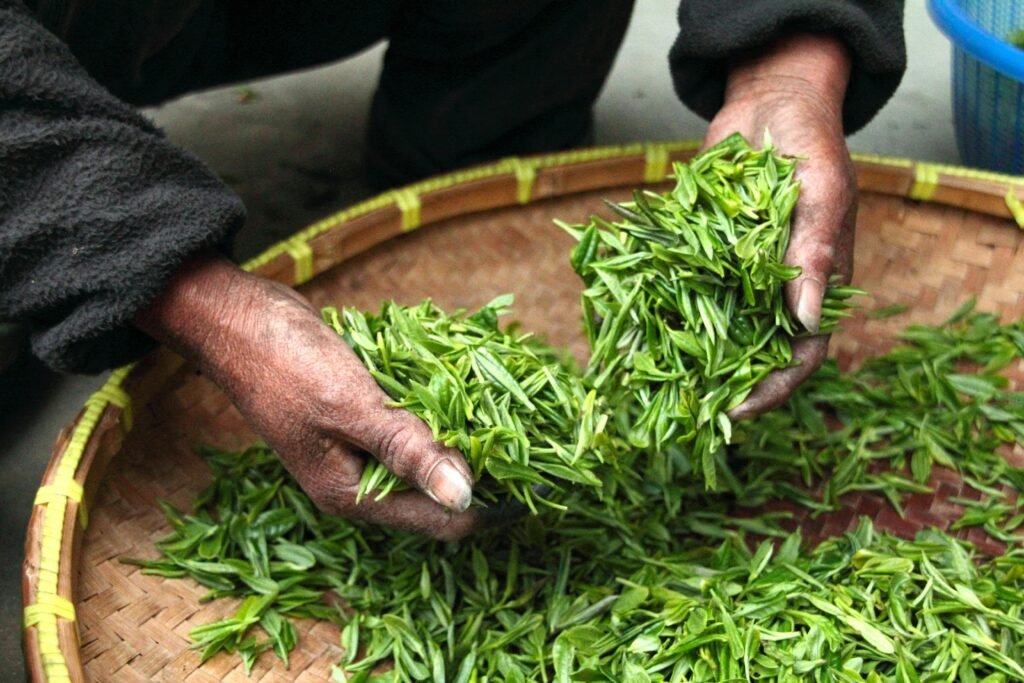
Herbal teas are well-regarded for their numerous health benefits, particularly their effectiveness in reducing stress and promoting relaxation. Below is a selection of the top 10 herbal teas that can help you unwind after a long day.
- Chamomile: Renowned for its calming effects, chamomile is often used to alleviate anxiety and improve sleep quality. Brew chamomile tea using one tea bag or 1-2 teaspoons of dried flowers in boiling water for 5 minutes. It offers a gentle, floral flavor with apple-like notes.
- Lemon Balm: This herb has a refreshing citrus scent, which is known to reduce stress levels and promote a sense of calm. Steep lemon balm leaves in hot water for 5-10 minutes. The flavor is light and lemony, making it a pleasant option.
- Lavender: Often associated with relaxation, lavender tea can help ease anxiety and improve sleep quality. Brew with fresh or dried lavender buds in hot water for 5-10 minutes. It exhibits a fragrant floral taste with hints of sweetness.
- Passionflower: This unique herbal tea is famous for its ability to reduce anxiety and improve sleep. Steep the dried leaves in boiling water for 10 minutes. The flavor is earthy and slightly bitter, often enhanced with honey.
- Valerian Root: Traditionally used as a natural sedative, valerian root can aid those struggling with insomnia. Brew by steeping the dried root in boiling water for 10-15 minutes. Its flavor is strong and somewhat musky.
- Peppermint: Known for its refreshing taste, peppermint tea can also help ease tension headaches and provide a soothing effect. Steep fresh or dried leaves in hot water for 5-7 minutes. The flavor is cool and minty, perfect for a revitalizing drink.
- Rooibos: This naturally caffeine-free tea is rich in antioxidants and can aid in reducing stress. Brew it just like regular black tea in hot water for 5-7 minutes. It has a sweet and slightly nutty flavor, making it enjoyable on its own or with milk.
- Holy Basil (Tulsi): Revered in Ayurvedic medicine, holy basil is known for its adaptogenic properties, helping to combat stress. Steep fresh or dried leaves in boiling water for 5-10 minutes. The flavor is slightly spicy and aromatic, delivering a unique taste.
- Ginger: Apart from its well-known digestive benefits, ginger tea can help reduce tension and promote relaxation. Brew slices of fresh ginger in hot water for 10 minutes. Its warm and spicy flavor provides a comforting experience.
- Hibiscus: Rich in antioxidants, hibiscus tea can lower blood pressure and improve mood. Steep dried hibiscus flowers in hot water for 5-10 minutes. The flavor is tart and fruity, often enjoyed sweetened or iced.
Incorporating these herbal teas into your daily routine may help to significantly alleviate stress and enhance relaxation. Experiment with different flavors and find the perfect blend that suits your needs.
Chamomile Tea
Chamomile tea is widely renowned as one of the most effective herbal teas for stress relief and relaxation. Sourced from the flowers of the chamomile plant, this herbal infusion has been cherished for centuries due to its calming properties. The presence of bisabolol, a compound found in chamomile, contributes significantly to its soothing effects, making it an ideal companion for those seeking respite from daily stressors.
To achieve the best results from chamomile tea, it is essential to brew it correctly. Generally, one should use one to two teaspoons of dried chamomile flowers or a tea bag per cup of boiling water. Steeping the tea for approximately five to ten minutes allows for optimal extraction of its beneficial compounds. It is recommended to cover the cup while brewing to trap the essential oils, maximizing the flavor and therapeutic benefits. For those who prefer a richer taste, adding honey or a slice of lemon can enhance the experience without compromising its calming properties.
Integrating chamomile tea into a nightly routine can significantly improve sleep quality. Consuming a warm cup of chamomile tea about thirty minutes before bedtime sends a signal to the body that it is time to unwind. The gentle aroma and mild flavor pave the way for relaxation, helping to ease racing thoughts and promote a tranquil state of mind. This ancient ritual not only helps reduce anxiety but also fosters a restful night’s sleep, making it a staple in many households.
In summary, chamomile tea remains a popular choice for those looking to alleviate stress and foster relaxation. Its simple preparation methods and incorporation into evening routines make it an accessible option for most individuals seeking natural remedies.
Lavender Tea
Lavender tea is renowned for its calming properties, making it a popular choice among those seeking relief from stress and anxiety. Derived from the flowers of the Lavandula plant, this herbal infusion offers a delightful flavor and a rich aroma, which contribute to its soothing effects. Consuming lavender tea can help facilitate relaxation and improve overall wellness, often serving as an integral part of self-care routines.
To prepare lavender tea, start with dried lavender buds, which can be found at health food stores or specialty tea shops. A typical ratio is to use one tablespoon of dried lavender for every cup of water. Begin by bringing water to a gentle boil, then remove it from heat and add the lavender buds. Allow the mixture to steep for about 5 to 10 minutes, depending on the desired strength. Strain the tea into a cup and enjoy. To enhance the flavor, consider adding a teaspoon of honey or a squeeze of lemon, both of which complement the floral notes of the lavender.
The benefits of lavender tea extend beyond its pleasant taste. Studies suggest that the aroma of lavender can positively impact brain function, promoting a sense of tranquility. Regular consumption may help alleviate symptoms of anxiety and contribute to better sleep, making it an ideal choice for those experiencing daily stressors. Integrating lavender tea into evening rituals can signal your body to unwind, creating an optimal environment for relaxation.
Incorporating lavender tea into a self-care routine not only provides sensory pleasure but also fosters mental well-being. Embracing this herbal tea can enhance your coping strategies for dealing with stress, ensuring that you manage the demands of daily life more effectively. By appreciating its calming qualities, lavender tea stands out as an essential ally on the journey to relaxation.
Peppermint Tea
Peppermint tea is renowned for its refreshing flavor and its numerous benefits for alleviating stress and tension. This herbal infusion, derived from the leaves of the peppermint plant, contains menthol, which not only provides a distinct taste but also has properties that can soothe both the mind and the body. Many individuals find that the aromatic qualities of peppermint tea help create a calming atmosphere, making it an ideal beverage to enjoy during moments of stress or anxiety.
The consumption of peppermint tea can play a significant role in headache relief as well. The cooling effect of menthol may help relieve tension headaches, contributing to an overall sense of relaxation. By promoting better blood circulation and providing a gentle analgesic effect, peppermint tea is often recommended for those who experience frequent headaches precipitated by stress. This dual action makes it a powerful ally for individuals seeking natural remedies for their stress-related ailments.
Moreover, the invigorating flavor profile of peppermint tea allows it to be enjoyed at any point during the day. Whether consumed in the morning as a refreshing wake-up call, in the afternoon for a mental boost, or in the evening as a way to unwind, peppermint tea offers versatility that caters to a range of preferences. Additionally, the natural aroma and taste of the tea can help shift focus away from daily stresses, encouraging a more peaceful mindset. Overall, incorporating peppermint tea into one’s daily routine can serve as an enjoyable approach to reduce stress levels while enhancing overall well-being.
Passionflower Tea
Passionflower tea, derived from the Passiflora plant, is widely recognized for its potential in alleviating anxiety and promoting relaxation. Scientific studies indicate that this herbal tea boasts anxiolytic effects, which can help to mitigate symptoms associated with anxiety disorders and insomnia. The primary compounds in passionflower, particularly flavonoids and alkaloids, are believed to interact with gamma-aminobutyric acid (GABA) receptors in the brain. This interaction may enhance the calming effects of GABA, a neurotransmitter known to reduce neuronal excitability, thereby promoting a sense of tranquility and aiding sleep.
Notably, research has shown that passionflower tea can significantly decrease anxiety levels in individuals facing acute stress. In a randomized clinical trial, participants who consumed passionflower extract reported a marked reduction in anxiety when compared to a placebo group. Additionally, those who suffer from insomnia may find it beneficial, as consuming passionflower tea before bedtime can lead to improved sleep quality. The sedative properties combined with its ability to reduce racing thoughts make it an appealing choice for nighttime rituals.
For enhanced effects, passionflower tea can be creatively paired with other soothing herbs such as chamomile, valerian root, or lemon balm. This combination not only adds a delightful flavor profile but also may create a synergistic effect, amplifying the calming benefits for both mind and body. Steeping passionflower alongside chamomile, for instance, may produce a relaxing infusion that promotes restful sleep without the grogginess often associated with chemical sleep aids. When seeking an effective herbal remedy for stress relief, incorporating passionflower tea into your routine can be a step towards achieving greater mental wellness.
Conclusion and Call to Action
Incorporating herbal teas into daily life offers numerous benefits for stress relief and relaxation. These natural infusions not only provide a moment of calm in our hectic routines but also harness the therapeutic properties of various plants. Each herbal tea mentioned in this guide, from chamomile to lavender, has unique qualities capable of reducing anxiety, promoting better sleep, and enhancing overall well-being. The gentle act of brewing a cup of tea can serve as a mindful ritual that allows individuals to pause, reflect, and unwind.
As you consider integrating herbal teas into your regular health regimen, it is essential to explore which blends resonate with your palate and lifestyle. Whether you prefer the soothing effects of peppermint or the fragrant warmth of fennel, there is a tea suitable for everyone’s needs. Embracing these beverages could be the key to navigating daily stressors with greater ease.
We encourage you to experiment with the various herbal teas discussed in this post. Pay attention to how each variety affects your mood and state of relaxation. Sharing your experiences with friends, family, or in online communities can foster a shared journey toward wellness. Additionally, for those looking to purchase these herbal teas, we have conveniently linked affiliated products throughout the post. Exploring these options will allow you to easily find and enjoy the teas that best support your relaxation goals. Start your journey to stress relief today; your mind and body will thank you.