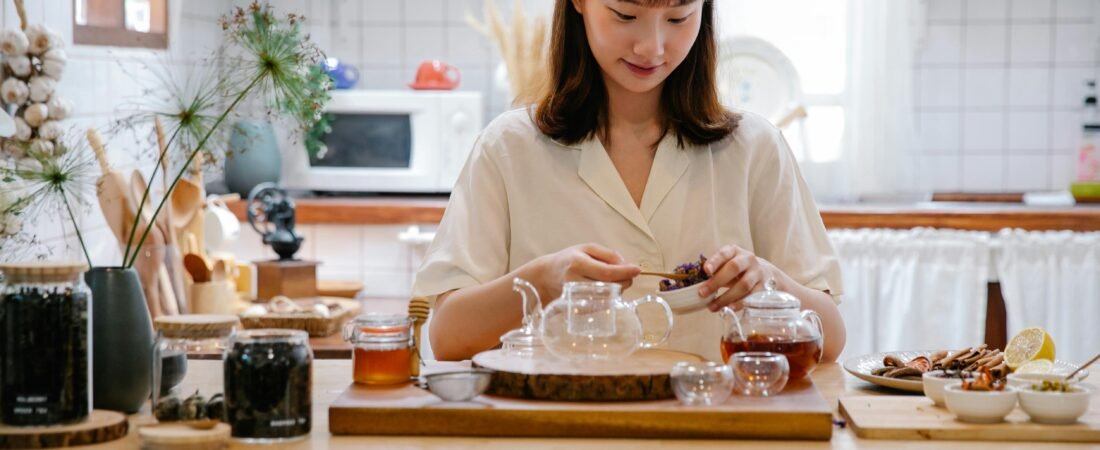
There’s a moment of magic that happens between the water and the leaves. It’s a quiet alchemy that transforms simple ingredients into a comforting, aromatic, and soul-soothing experience. If your journey with tea has mostly involved a quick dip of a paper tea bag, you’re about to discover a whole new world of flavor.
Brewing the perfect cup of tea isn’t about following rigid, complicated rules. It’s about understanding a few simple principles that unlock the true potential of your tea leaves. Whether you’ve just bought your first tin of loose leaf or you’re looking to improve your daily cuppa, this guide is for you.
Welcome to TeaHealingHub, where we believe everyone deserves a perfect cup of tea. This beginner’s guide will walk you through the essential steps, demystify the process, and show you that with a little knowledge, you can create a café-quality brew right in your own kitchen. Let’s get started!
Why Brewing Method Matters: It’s More Than Just Hot Water
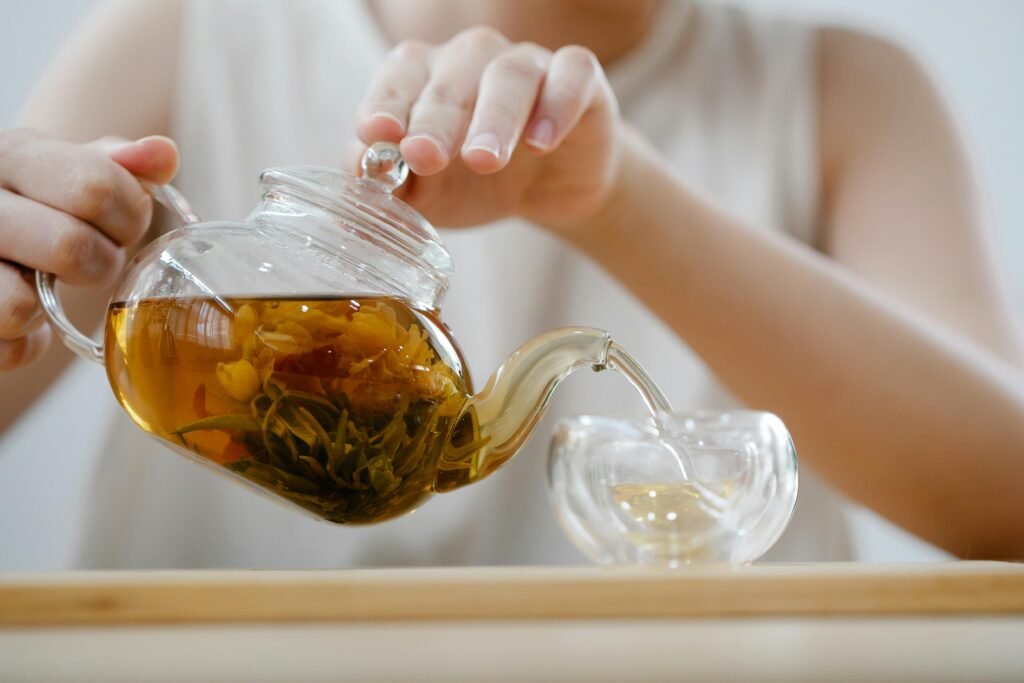
You might wonder, “Is there really that much of a difference?” The answer is a resounding yes! Think of tea leaves like tiny, flavor-filled treasures. Using the right water temperature and steeping time is like using the correct key to unlock that treasure chest.
- Too hot water on delicate leaves will scorch them, releasing bitter tannins and hiding the subtle notes.
- Water that’s not hot enough will fail to fully extract the complex flavors, resulting in a weak, underwhelming cup.
- Steeping too long almost always leads to bitterness.
- Steeping too little leaves you with a cup that tastes like faintly flavored hot water.
Getting it right means a balanced, flavorful, and aromatic experience exactly as the tea maker intended. It’s the difference between hearing a song on a cracked phone speaker and hearing it live in concert.
The 5 Essential Elements of a Perfect Brew
Let’s break down the process into five key components. Master these, and you’ll be a tea brewing pro in no time.
1. Start with Quality Tea
This is the most important step. You can’t make a great cup of tea with low-quality ingredients. While there’s a time and a place for a reliable tea bag, the world of loose leaf tea offers vastly superior flavor and complexity.
- Loose Leaf vs. Tea Bags: Loose leaf tea consists of whole or large pieces of tea leaves. They have room to expand and unfurl in water, fully releasing their essential oils and flavors. Most tea bags contain “fannings” or “dust” – small fragments of leaves that lose their potency quickly and often brew a bitter cup.
- Freshness Matters: Tea is best when it’s fresh. Always buy from reputable sources and store your tea in an airtight, opaque container away from light, heat, moisture, and strong odors.
Our Top Pick: Harney & Sons Loose Leaf Tea Sampler
This curated sampler is a fantastic way for beginners to explore high-quality, popular loose leaf teas without commitment. (Affiliate Link)
2. Use Good Water
Tea is over 99% water, so the quality of your water dramatically affects the taste.
- Best Choice: Filtered water or spring water is ideal. It’s free from the chlorine and heavy minerals found in some tap water, which can distort the tea’s true flavor.
- What to Avoid: Avoid distilled water (it makes tea taste flat) and heavily mineralized “hard” water (it can create a film on your tea and muffle flavors).
3. Get the Water Temperature Right
This is the step that intimidates beginners the most, but it’s easy to get the hang of! Different types of tea require different water temperatures to extract their best qualities.
Here’s a quick cheat sheet:
| Tea Type | Water Temperature | Visual Clue (Before Boiling) |
|---|---|---|
| White Tea | 160°F – 175°F (71°C – 79°C) | Tiny bubbles forming on the bottom of the pot (“Shrimp Eyes”) |
| Green Tea | 175°F – 185°F (79°C – 85°C) | Streamers rising from the bottom of the pot (“Crab Eyes”) |
| Oolong Tea | 185°F – 205°F (85°C – 96°C) | Rapidly rising bubbles, but not yet a full boil (“Fish Eyes”) |
| Black Tea | 205°F – 212°F (96°C – 100°C) | Full, rolling boil |
| Herbal Tea | 212°F (100°C) | Full, rolling boil |
No thermometer? No problem! An easy trick: bring your water to a full boil, then let it sit off the heat for about 30 seconds to cool for green tea, or 10 seconds for white tea. For oolong, you can use water just off the boil.
Our Top Pick: COSORI Electric Gooseneck Kettle
A variable temperature kettle is a game-changer. It allows you to set the exact temperature you need at the touch of a button, taking all the guesswork out of brewing. (Affiliate Link)
4. Measure Your Tea and Steep Time Precisely
Quantity and time are crucial for balance. A kitchen scale is best for precision, but measuring spoons work perfectly.
- General Rule: Use one teaspoon of loose leaf tea per 8 oz cup of water. Fluffy teas like white tea or chamomile may need a heaping teaspoon, while dense teas like gunpowder green may need just a level teaspoon.
- Follow Steeping Guidelines: Refer to the chart below. Set a timer! Over-steeping is the most common cause of bitter tea.
| Tea Type | Steep Time | Notes |
|---|---|---|
| White Tea | 4-5 minutes | Delicate, can often be re-steeped |
| Green Tea | 2-3 minutes | Becomes bitter quickly if over-steeped |
| Oolong Tea | 3-5 minutes | Great for multiple infusions |
| Black Tea | 3-5 minutes | Robust, can handle longer steeping |
| Herbal Tea | 5-7 minutes | Requires longer time to extract flavors |
5. Choose Your Brewing Vessel
How you steep your tea is a matter of preference and convenience.
- For Ultimate Ease: A Mug Infuser Simple and perfect for beginners. Just add tea to the infuser basket, place it in your mug, add water, and steep. Remove the infuser when the time is up.
- For the Best Flavor: A Teapot with a Built-in Strainer Great for brewing multiple cups. The leaves have plenty of room to expand fully, which is key for proper extraction.
- The Traditional Method: Gaiwan (for Chinese tea) A lidded bowl used for brewing and drinking. It offers incredible control and is perfect for enjoying the evolving flavors of multiple infusions.
Our Top Pick: Finum Brewing Basket
This mesh basket fits perfectly in most mugs and pots. Its fine mesh keeps even small particles out of your cup, and it’s incredibly easy to clean. (Affiliate Link)
Step-by-Step: Brewing Your First Perfect Cup (Loose Leaf)
Let’s put it all together! Here’s a simple, numbered guide.
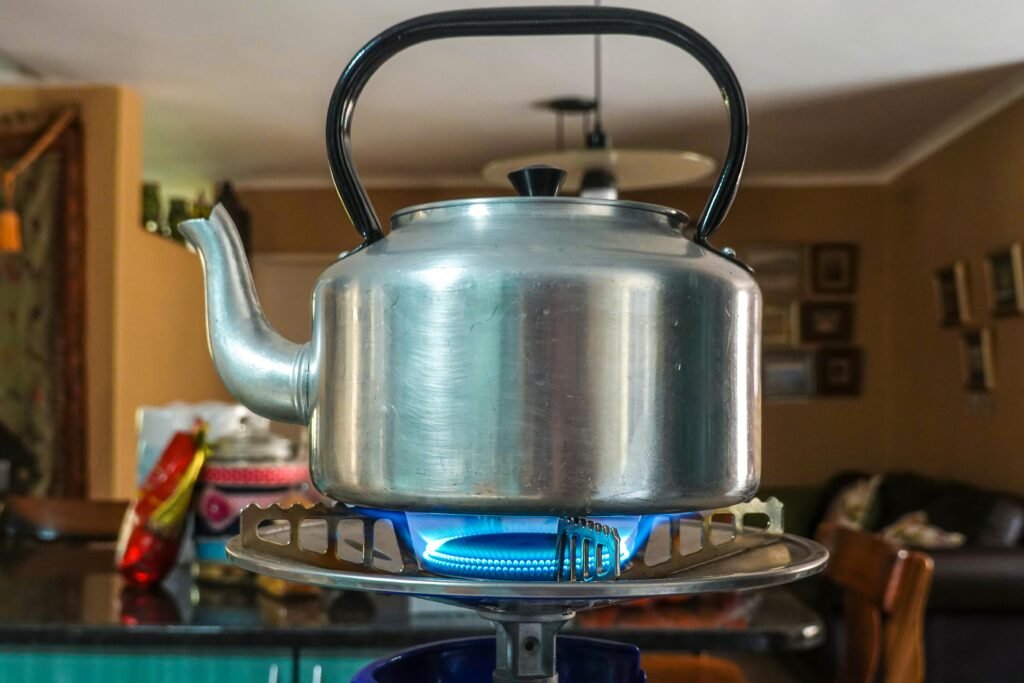
- Heat Your Water: Pour fresh, cold water into your kettle and heat it to the appropriate temperature for your tea type.
- Preheat Your Vessel: Pour a little hot water into your empty mug or teapot, swirl it around, and discard it. This prevents the water temperature from dropping drastically when it hits the cold ceramic.
- Add Tea Leaves: Place your measured loose leaf tea into your infuser or teapot.
- Pour Water: Pour the hot water over the leaves.
- Steep: Cover your mug or pot (this traps heat and essential oils) and set a timer for the recommended steeping time.
- Remove Leaves: Once the time is up, remove the infuser or strain the tea completely into your cup. This stops the brewing process and prevents over-steeping.
- Enjoy! Take a moment to appreciate the aroma before you take your first sip. Add honey or lemon if you like, but try it plain first to experience the tea’s true flavor.
Conclusion: Your Tea Journey Has Just Begun
Brewing the perfect cup of tea is a simple joy and a rewarding practice. It’s a small act of mindfulness in a busy day—a few minutes dedicated to creating something wonderful for yourself. Don’t be afraid to experiment. Adjust the amount of tea, steeping time, and temperature to find what tastes perfect to you.
Your palate is the ultimate guide. The “perfect cup” is the one that brings you the most pleasure and comfort.
Ready to transform your tea ritual?
We’ve made it easy to get started with the right tools. Check out our affiliate recommendations above for our favorite kettles, infusers, and starter teas that we personally use and love. Each purchase supports our blog and allows us to keep bringing you free guides like this one.
We’d love to hear from you! What’s the biggest challenge you’ve faced with brewing tea? What’s your favorite type of tea to brew? Share your thoughts and questions in the comments below!
Don’t forget to share this guide with a fellow tea lover and pin it to your Pinterest board for later!