Getting Started with Your Herb Garden
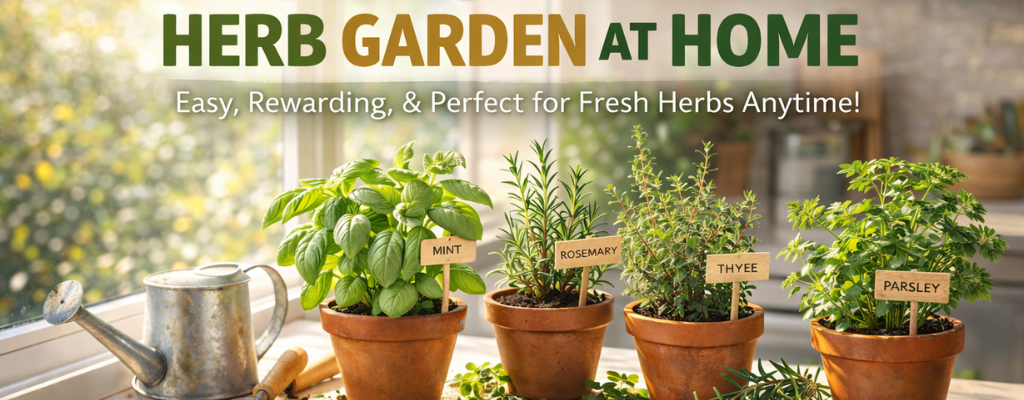
Embarking on the journey of creating a herb garden can be an enriching experience for beginners, offering both the joys of gardening and the rewards of home-grown herbs. The first step in starting your beginner herb garden is to select a suitable location. Ideally, choose a spot with ample sunlight; most herbs require at least six hours of direct sunlight each day. Windowsills, balconies, or small garden plots can serve as perfect spaces for growing herbs.
Next, understanding soil requirements is crucial for your herb garden’s success. Herbs thrive in well-draining soil that is rich in organic matter. You can either purchase potting soil specifically formulated for herbs or create your own mix using compost, peat moss, and perlite. Additionally, consider the pH level of your soil; most herbs prefer a slightly acidic to neutral pH. Conducting a soil test can provide insight into nutrient levels and allow for better preparation.

- McCormick Gourmet Organic Herbes de Provence is a blend of fragrant herbs
- Brings the flavors and fragrance of the south of France to your kitchen
- Our carefully sourced Herbes de Provence is certified Organic and non GMO
Gathering the necessary tools and materials will also set the foundation for your herb garden. Essential tools may include a trowel, watering can, pruning shears, and labels to help identify different herbs. Seeds or starter plants are also needed, with popular options for beginners including basil, chives, and mint. These easy herbs are known for their resilience and can flourish even with minimal gardening experience.
Growing herbs at home comes with numerous benefits. Not only do home-grown herbs enhance culinary experiences by adding fresh flavors to your dishes, but they can also lead to significant cost savings compared to purchasing herbs from the store. Moreover, having easy access to your herb garden encourages cooking with fresh ingredients, ultimately promoting healthier eating habits. With careful planning and consideration, your herb garden can become a rewarding and beneficial part of your home.
Top 12 Easy Herbs to Grow at Home
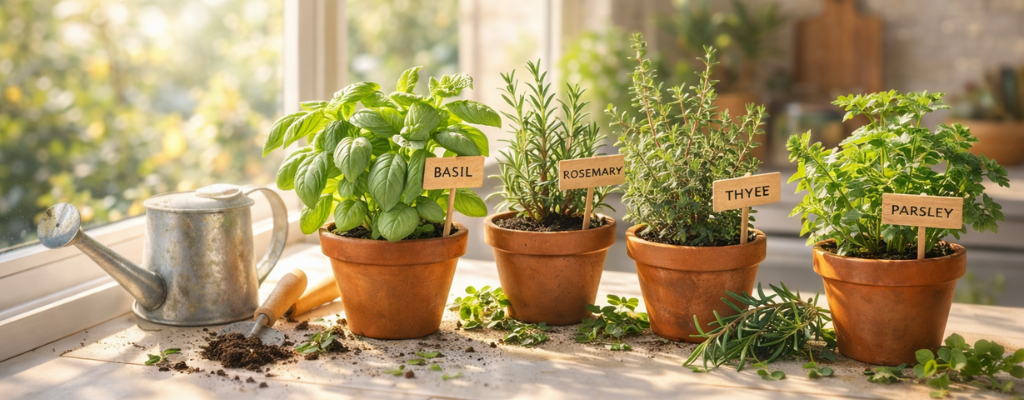
For anyone interested in starting a herb garden, the following twelve herbs are not only easy to cultivate but also offer a variety of flavors and uses in the kitchen. They are well-suited for both indoor and outdoor gardens, making them perfect for beginners.
- Basil is a versatile herb known for its sweet and slightly peppery flavor. It is commonly used in Italian dishes, particularly in pesto and tomato sauces. Basil thrives in warm sunlight and requires well-draining soil.
- Mint has a refreshing taste and can be used in teas, desserts, and savory dishes. This herb grows quickly and prefers slightly moist soil; however, it can become invasive, so it’s best to grow it in pots.
- Parsley is a popular garnish known for its fresh and mildly bitter flavor. It is used in salads, soups, and as a flavor enhancer for many dishes. Parsley grows well in a variety of soils and needs partial sunlight.
- Cilantro, also known as coriander, has a unique flavor that is favored in Mexican and Asian cuisines. It grows best in cooler conditions and should be harvested before it bolts.
- Oregano is a staple in Mediterranean cooking, known for its warm and aromatic flavor. This herb prefers sandy soil and full sun.
- Chives bring a mild onion flavor to dishes and are often used in salads and as a garnish. They grow easily in containers and require little maintenance.
- Rosemary has a robust, pine-like flavor and is commonly used in roasting meats and vegetables. It thrives in hot, dry conditions and well-draining soil.
- Thyme is an essential herb in many savory dishes and has a subtle earthy flavor. Similar to rosemary, it enjoys full sunlight and poor soil.
- Dill is known for its feathery leaves and a distinctive, tangy flavor that complements fish and pickles. It prefers cooler temperatures and requires consistent moisture.
- Sage has a strong, earthy flavor and is often used in stuffing and savory sauces. It thrives in full sun and dry conditions.
- Tarragon, with its sweet and anise-like flavor, is popular in French cuisine. It needs well-drained soil and prefers slightly damp conditions.
- Bay Laurel is a fragrant herb used to flavor soups and stews. This slow-growing plant can be kept in pots or planted in the ground, preferring partial shade.
These herbs not only enhance various dishes but are also rewarding to grow, making them excellent choices for any beginner herb garden.
Growing and Caring for Your Herbs
Embarking on the journey of cultivating a beginner herb garden can be immensely rewarding, yet it also requires knowledge of effective growing and caring practices. Proper watering is essential; most herbs prefer soil that is consistently moist but not waterlogged. A general rule of thumb is to water herbs deeply once a week, allowing the top inch of soil to dry out between waterings. This will promote healthy root development while preventing diseases associated with overwatering.
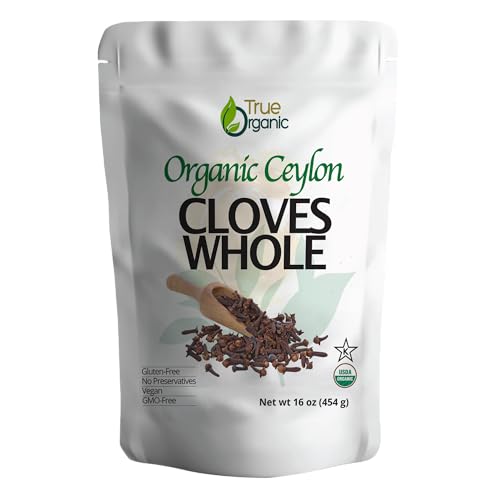
- Pure Ceylon USDA Certified Organic Quality – Contains premium organic cloves sourced directly from Sri Lanka (Ceylon). O…
- Premium Whole Cloves Bulk – 1 Pound Value Pack – Our organic cloves whole are packed in a generous whole cloves bulk 16 …
- Rich Aroma & Versatile Culinary Use – Add warm spice to curries, baked goods, teas, mulled drinks, and seasoning blends …
Sunlight is another critical factor in establishing a thriving herb garden. Most easy herbs, including basil, parsley, and cilantro, flourish with at least six hours of direct sunlight daily. If you are growing herbs indoors, consider placing them near a south-facing window or using grow lights to supplement natural light.
Pest control is vital for the success of your herb garden. Regularly inspect your plants for signs of pests, such as aphids or spider mites. If an infestation occurs, you can treat your herbs with insecticidal soap or neem oil, which are safe and effective options. Additionally, implementing companion planting—where you plant certain herbs alongside others to deter pests—can help maintain a healthy garden environment.
Preventing diseases is equally important in herb care. Ensuring good air circulation around your plants, avoiding overhead watering, and selecting disease-resistant varieties can significantly reduce disease risk. Monitoring herb plants for yellowing leaves or wilting can help in early diagnosis and intervention.
Lastly, regular pruning and harvesting of your herbs can promote bushier growth and enhance their flavor. When harvesting, aim to snip stems just above a leaf node, which encourages new growth. With appropriate techniques in watering, sunlight management, pest control, and careful harvests, your beginner herb garden can flourish, yielding delightful flavors for your culinary creations.
Cooking with Your Homegrown Herbs
Using freshly grown herbs in cooking not only enhances the flavor of dishes but also adds a touch of personal pride to your meals. The aroma and taste of homegrown herbs can elevate simple recipes, making them extraordinary. For those with a beginner herb garden, incorporating herbs such as basil, parsley, and thyme into everyday cooking is an excellent way to start exploring the flavors they bring.

- Italian Seasoning – This premium organic blend of herbs like basil, oregano, and thyme brings a rich, aromatic flavor th…
- Italian Seasoning – This premium organic blend of herbs like basil, oregano, and thyme brings a rich, aromatic flavor th…
- Best uses – Ideal for pasta sauces, pizza, grilled meats, and roasted vegetables, this versatile seasoning adds a robust…
One straightforward recipe that allows fresh herbs to shine is a classic herb-infused olive oil. Combine a selection of your easy herbs, such as rosemary and oregano, with high-quality olive oil. Allow the mixture to sit for a few days to let the flavors meld before using it as a drizzle over salads or as a dipping oil for bread. Another simple yet delicious idea is to toss chopped fresh herbs into pasta dishes, like a spaghetti aglio e olio, where they complement the garlic and chili flakes beautifully.
For those looking to preserve their garden bounty, proper storage methods are essential. Drying is a popular option; simply tie stems together and hang them upside down in a dark, dry location to allow them to air-dry. Alternatively, you can use a dehydrator for a quicker process. Frozen herbs are also a viable option: chop your chosen herbs and mix them with a little water or olive oil in an ice cube tray. Once frozen, transfer the cubes to a freezer bag for later use in soups or stews, ensuring that the vibrant flavors from your herb garden are always at hand.
As you experiment in the kitchen, don’t shy away from mixing different herbs. The joy of cooking with your homegrown herbs lies in creativity and personalization. Embrace the unique flavors of your beginner herb garden, and let them inspire new culinary adventures.