
The world of wellness is full of so-called “superfoods,” but few have captured our attention quite like the vibrant green powders of Moringa and Matcha. You’ve seen them on social media, in health food stores, and on café menus. Both promise a boost of nutrients and a path to better health. But when it comes to Moringa vs. Matcha, how do you choose? Is one truly better than the other?
The truth is, both of these plants are nutritional powerhouses worthy of the superfood title. However, they come from different parts of the world, offer distinct health benefits, and serve unique purposes in your daily routine. Understanding the Moringa vs. Matcha debate isn’t about finding a winner; it’s about discovering which superfood ally best supports your personal wellness goals.
In this friendly face-off, we’ll dive deep into the origins, nutritional profiles, and best uses for both Moringa and Matcha. We’ll compare everything from their caffeine content and taste to their specific benefits for energy, detoxification, and overall vitality. By the end, you’ll be equipped with all the knowledge you need to decide whether to stir, sip, or maybe even combine these two amazing greens. Let’s settle the score on Moringa vs. Matcha.
Round 1: Origins and Basics
To understand these superfoods, it helps to know where they come from.
What is Matcha?
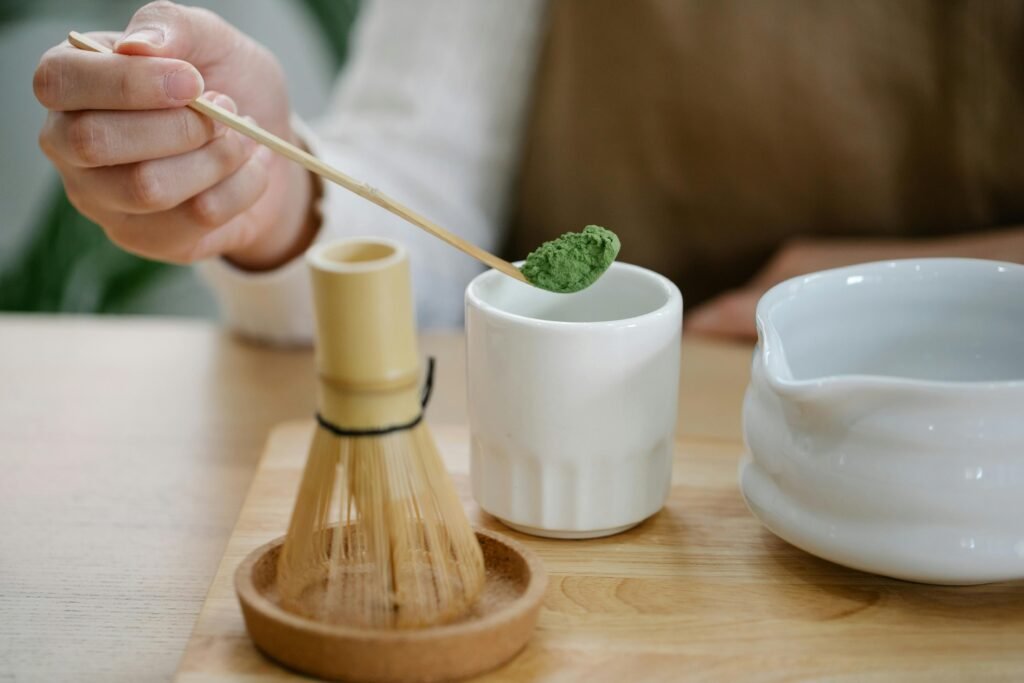
Matcha is a type of green tea, but it’s in a league of its own. It’s made from the leaves of the Camellia sinensis plant, the same plant that gives us all green, black, and oolong teas. The difference is in the cultivation and processing. Weeks before harvest, the tea plants are shaded from direct sunlight. This forces the leaves to produce more chlorophyll and amino acids, like L-Theanine.
After harvesting, the leaves are steamed, dried, and stone-ground into an ultra-fine, vibrant green powder. Because you consume the entire leaf dissolved in water, you get a much more concentrated dose of nutrients than you would from steeping and discarding regular tea leaves.
What is Moringa?
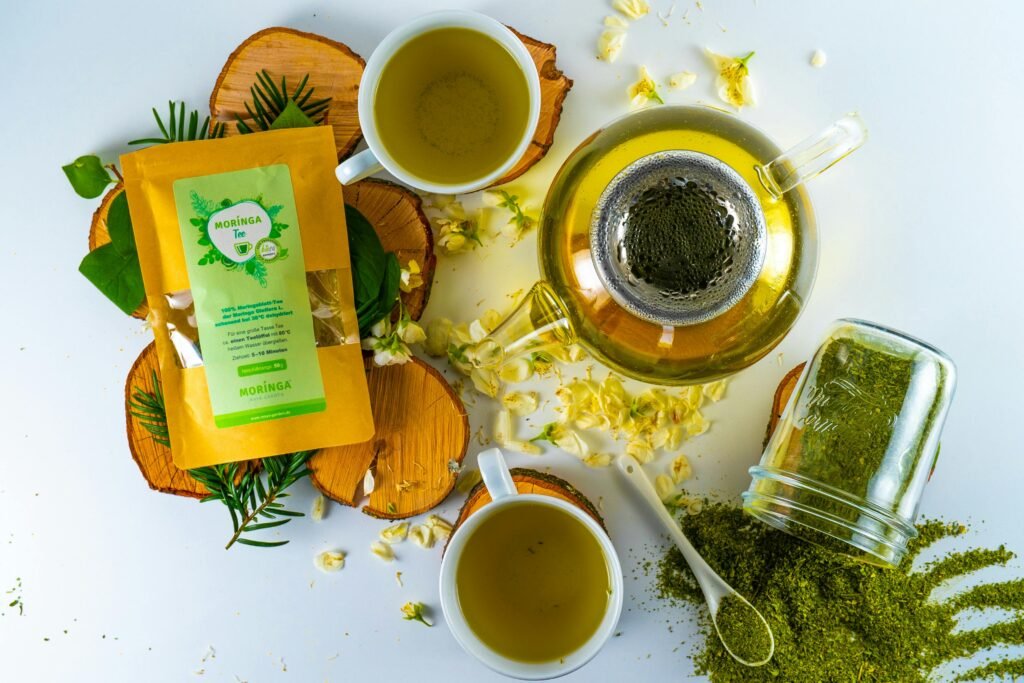
Moringa, often called the “Miracle Tree,” is a plant native to the Himalayas and parts of India and Africa. Almost every part of the tree is edible, but for our Moringa vs. Matcha comparison, we’re focusing on the leaves. The leaves are dried and ground into a fine powder, similar in appearance to Matcha but with a different nutritional makeup.
Moringa has been used for centuries in Ayurvedic medicine for its incredible healing properties. It’s a nutritional supplement first and foremost, prized for its density of vitamins, minerals, and protein.
Round 2: The Nutritional Showdown
This is where the Moringa vs. Matcha comparison gets interesting. Both are healthy, but they excel in different areas.
Matcha’s Nutritional Strengths:
Matcha’s power comes from three key compounds:
- Caffeine: Provides a clean, focused energy boost.
- L-Theanine: An amino acid that promotes calm alertness and prevents the jitters often associated with coffee.
- EGCG (Epigallocatechin gallate): A powerful catechin (antioxidant) known for boosting metabolism and supporting heart health.
The combination of caffeine and L-Theanine is Matcha’s signature benefit, leading to a state of “calm energy.”
Moringa’s Nutritional Strengths:
Moringa is less about caffeine and more about pure, dense nutrition. It is a complete powerhouse:
- Protein: It contains all nine essential amino acids, making it a rare complete plant-based protein.
- Vitamins: Exceptionally high in Vitamin A (from beta-carotene), Vitamin C, and several B vitamins.
- Minerals: A rich source of iron, calcium, potassium, and magnesium.
- Antioxidants: Packed with antioxidants like quercetin and chlorogenic acid.
Think of it this way: Matcha is a specialized tool for energy and focus. Moringa is a broad-spectrum multivitamin from nature.
Round 3: Caffeine Content – The Big Difference
This is often the deciding factor in the Moringa vs. Matcha debate.
- Matcha contains caffeine. A typical serving (1 gram or about 1/2 teaspoon) has roughly 35-70 mg of caffeine. That’s less than a cup of coffee but enough to provide a sustained energy lift for 4-6 hours without a crash, thanks to the L-Theanine.
- Moringa is naturally caffeine-free. This is its biggest advantage for people who are sensitive to caffeine, want to avoid it after noon, or are simply looking for a nutrient boost without any stimulant effect.
The Verdict: If you want an energy lift, choose Matcha. If you want a massive nutrient injection at any time of day (even before bed), choose Moringa.
Round 4: Taste and Flavor Profile
Your wellness routine won’t last if you don’t enjoy it, so taste matters!
- Matcha Taste: Matcha has a distinct, rich, umami flavor. It can be slightly sweet, vegetal (like spinach), and have a pleasant bitterness. High-quality ceremonial-grade Matcha is smoother, while culinary-grade is more robust.
- Moringa Taste: Moringa has an earthy, green, and slightly bitter taste. Some people describe it as a stronger version of spinach or matcha. Its flavor is more potent and “green,” which is why many people prefer to blend it into smoothies or sweetened drinks.
Round 5: Health Benefits Compared
Let’s break down how each superfood supports your health.
Matcha’s Key Benefits:
- Sustained Energy & Focus: The caffeine-L-Theanine combo provides alertness without anxiety.
- Metabolism Boost: EGCG can help increase thermogenesis (calorie burning).
- Rich in Antioxidants: Its ORAC (Oxygen Radical Absorbance Capacity) score is very high, helping fight oxidative stress.
- Calming Effect: L-Theanine promotes alpha brain waves, which are linked to a state of relaxed focus.
Moringa’s Key Benefits:
- Fights Fatigue with Nutrition: Its high iron and B-vitamin content helps combat anemia and supports natural energy production.
- Powerful Anti-Inflammatory: Can help reduce inflammation in the body.
- Supports Blood Sugar Balance: Studies suggest it can help regulate blood glucose levels.
- Nutrient Density: It’s an excellent way to fill common nutritional gaps, supporting everything from bone health (calcium) to immune function (Vitamin C).
Moringa vs. Matcha: Which One Should You Choose?
So, who wins the Moringa vs. Matcha battle? It depends entirely on your goals.
Choose Matcha if:
- You want a coffee alternative that provides calm, focused energy.
- Your primary goal is enhanced mental clarity and concentration.
- You enjoy the ritual of preparing a warm, soothing drink.
- You are looking for a metabolic boost.
Choose Moringa if:
- You are caffeine-sensitive or want to avoid stimulants.
- You follow a plant-based diet and want a protein and iron boost.
- Your goal is overall nutritional support to fill dietary gaps.
- You want a superfood you can easily add to smoothies, sauces, or drinks at any time of day.
The Best of Both Worlds: Can You Use Moringa and Matcha Together?
Absolutely! There’s no rule against combining these two supergreens. In fact, they can be a fantastic team. Using them together gives you the focused energy from Matcha alongside the foundational vitamin and mineral support from Moringa.
You can create a powerful “Supergreen Latte” by whisking together:
- 1/2 teaspoon of Matcha powder
- 1/2 teaspoon of Moringa powder
- Hot water (not boiling for Moringa to preserve nutrients)
- Your choice of milk and a natural sweetener like honey or maple syrup.
This combination allows you to harness the unique strengths of both plants in one delicious beverage.
Affiliate Product Recommendation & Call-to-Action
If you’re leaning towards the incredible, caffeine-free nutritional power of Moringa after this Moringa vs. Matcha deep dive, we invite you to try a product we use and love: Moringa Magic.
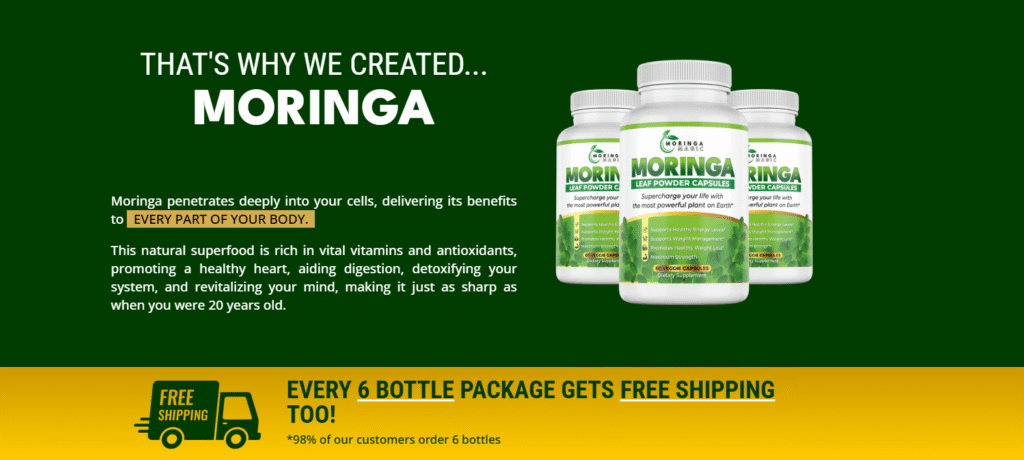
We’ve found that its vibrant green color and fresh, pure taste are a cut above many other brands. It’s 100% organic moringa leaf powder, with no fillers or additives. It’s become our go-to for an easy daily nutrient boost that doesn’t interfere with sleep. We simply stir it into our morning smoothie or a glass of water.
Ready to experience the foundational wellness benefits of Moringa? See why we chose Moringa Magic as our daily nutritional supplement.
Click here to learn more and make Moringa a part of your routine!
Conclusion: Two Superfoods, One Goal
The Moringa vs. Matcha discussion isn’t about crowning a single champion. It’s about appreciating that both of these green powders are exceptional allies on your wellness journey. They simply take different paths to the same destination: a healthier, more vibrant you.
Matcha is your go-to for a mindful, energizing ritual. Moringa is your daily dose of foundational nutrition. You might choose one over the other based on your needs today, or you might decide to make room for both in your life.
Why not experiment? Listen to your body. You might find that a cup of Matcha in the morning and a scoop of Moringa in your afternoon smoothie is the perfect combination for balanced, sustained vitality. The power is in your hands—or rather, in your cup.
Disclaimer: This article is for informational purposes only and is not intended as medical advice. Always consult with a healthcare professional before making any significant changes to your diet or lifestyle, especially if you are pregnant, nursing, taking medication, or have a known medical condition. Individual results may vary.