
There’s nothing quite like that uncomfortable feeling after a meal—the bloating, the sluggishness, the general upset that makes you want to curl up on the couch. If you’re nodding along, you’re not alone. Digestive discomfort is incredibly common, but the solution might be simpler than you think, and it’s sitting right in your kitchen cupboard.
For centuries, cultures around the world have turned to the healing power of plants to soothe stomachs and aid digestion. Before modern medicine, there was tea. These gentle, aromatic brews are more than just comforting beverages; they are natural remedies packed with properties that can calm inflammation, reduce bloating, and get your digestive system back on track.
Welcome to TeaHealingHub, your trusted source for blending ancient wisdom with modern wellness. In this guide, we’ll explore the top 7 teas for better digestion and gut health, explaining exactly how each one works its magic. So, put the kettle on, get cozy, and let’s discover how a simple cup of tea can lead to a happier, healthier you.
How Can Tea Actually Improve Digestion?
You might be wondering, how can something as simple as tea have such a profound effect on your gut? The answer lies in the powerful compounds within the leaves, roots, flowers, and spices we steep. Here’s the science behind the sip:
- Antispasmodic Properties: Many herbs contain compounds that help relax the smooth muscles of the digestive tract. This can relieve cramping, gas pains, and general discomfort.
- Carminative Action: This is a fancy term for substances that help prevent the formation of gas or facilitate its expulsion, reducing bloating and that “too full” feeling.
- Anti-inflammatory Effects: Conditions like indigestion or IBS often involve inflammation. Teas like ginger and green tea contain strong anti-inflammatory agents that can calm the gut lining.
- Stimulating Digestive Juices: Certain teas can stimulate the production of saliva, bile, and gastric juices, ensuring your body breaks down food more efficiently.
- Providing Prebiotics: Some teas, like dandelion root, act as prebiotics—food for the beneficial bacteria in your gut. A healthy gut microbiome is essential for overall digestive health.
Now, let’s meet the all-star team of digestive teas.
1. Peppermint Tea: The Champion of Calm
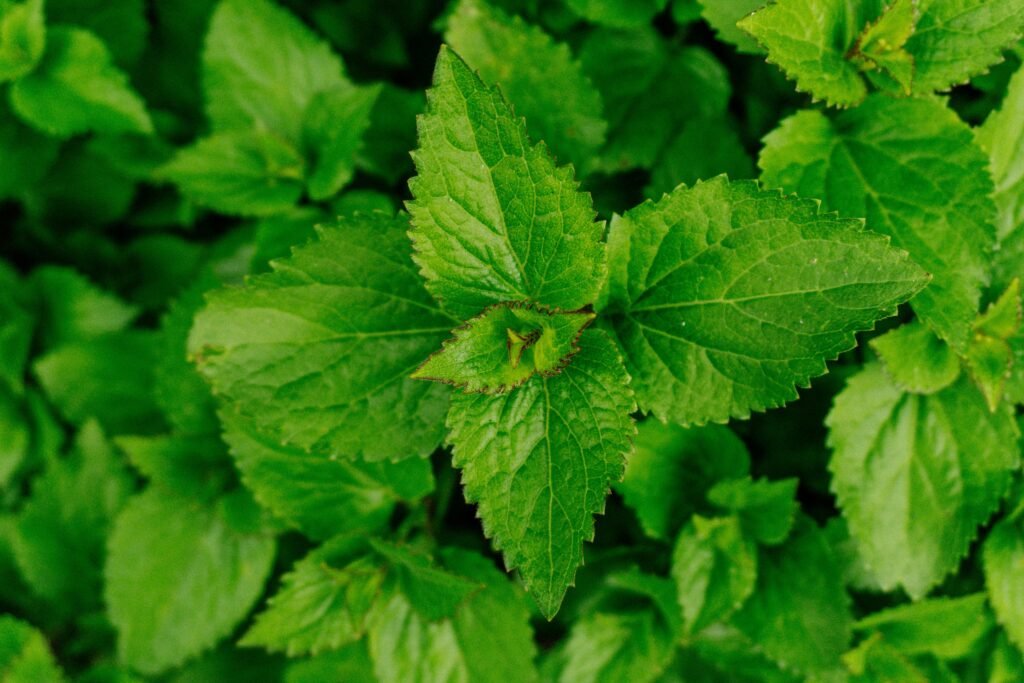
Keywords: peppermint tea for digestion, peppermint tea for bloating, relieve IBS symptoms
If you only try one tea for digestion, make it peppermint. This refreshing herb is the go-to remedy for a reason. Its active ingredient, menthol, has a powerful antispasmodic effect on the digestive tract. It helps to relax muscles, which allows gas to pass more easily and relieves the painful cramping associated with Irritable Bowel Syndrome (IBS).
Best For: Immediate relief from bloating, gas, and stomach cramps. Ideal after a large meal.
How to Brew: Steep 1-2 teaspoons of dried peppermint leaves in just-boiled water for 5-7 minutes. Cover your cup while steeping to trap the essential oils.
A Note of Caution: If you suffer from acid reflux (GERD), peppermint may relax the lower esophageal sphincter and potentially worsen symptoms.
💚 Our Top Pick: Traditional Medicinals Organic Peppermint Tea
This is a reliably potent and organic option. The tea bags are full of high-quality peppermint leaves, ensuring you get a strong, effective brew every time. (Affiliate Link)
2. Ginger Tea: The Ancient Settler

Keywords: ginger tea for nausea, ginger root tea digestion, settle upset stomach
A true powerhouse in the world of digestive aids, ginger has been used for over 5,000 years. Its sharp, spicy flavor comes from compounds like gingerols and shogaols, which accelerate gastric emptying and soothe the intestinal tract. It’s famously effective against nausea—from morning sickness to motion sickness.
Best For: Nausea, vomiting, motion sickness, and stimulating a slow digestive system.
How to Brew: For the freshest brew, slice a 1-inch piece of raw ginger root, bruise it with a spoon, and steep in boiling water for 10 minutes. You can also use high-quality ginger tea bags.
Pro Tip: Add a squeeze of lemon and a dab of raw honey for an extra-soothing beverage.
💚 Our Top Pick: Yogi Tea – Ginger Tea
Yogi blends ginger with other digestive-friendly herbs like peppermint and lemongrass for a comprehensive and delicious cup. (Affiliate Link)
3. Chamomile Tea: The Gentle Soother

Keywords: chamomile tea digestive benefits, chamomile for gut inflammation, tea to relax stomach
Often associated with relaxation and sleep, chamomile’s benefits extend directly to your gut. Its anti-inflammatory properties help to ease stomach inflammation and act as a gentle relaxant on the entire digestive system. It’s particularly useful for stress-related digestive issues, as it helps to calm the mind and the gut.
Best For: Nervous stomach, indigestion, colic, and general relaxation of the digestive tract.
How to Brew: Use freshly boiled water and steep your chamomile tea bag or flowers for 5-10 minutes. The longer you steep, the stronger the medicinal effects.
💚 Our Top Pick: Harney & Sons Chamomile Herbal Tea
Harney & Sons offers a beautifully smooth and floral chamomile tea made from pure Egyptian chamomile flowers. It’s caffeine-free and perfect for any time of day. (Affiliate Link)
4. Fennel Tea: The Bloat Buster

Keywords: fennel tea for bloating, fennel seed tea gas relief, carminative tea
A staple in Indian restaurants (often offered at the end of a meal), fennel seed tea is a potent carminative. The compound anethole is responsible for its distinct licorice-like flavor and its ability to relax muscles in the intestine, helping to expel trapped gas and relieve bloating.
Best For: Instant relief from gas and bloating. Excellent to sip during or after a meal to prevent discomfort.
How to Brew: Lightly crush 1-2 teaspoons of fennel seeds to release their oils, then steep in hot water for 8-10 minutes.
5. Green Tea: The Gut-Friendly Antioxidant Boost
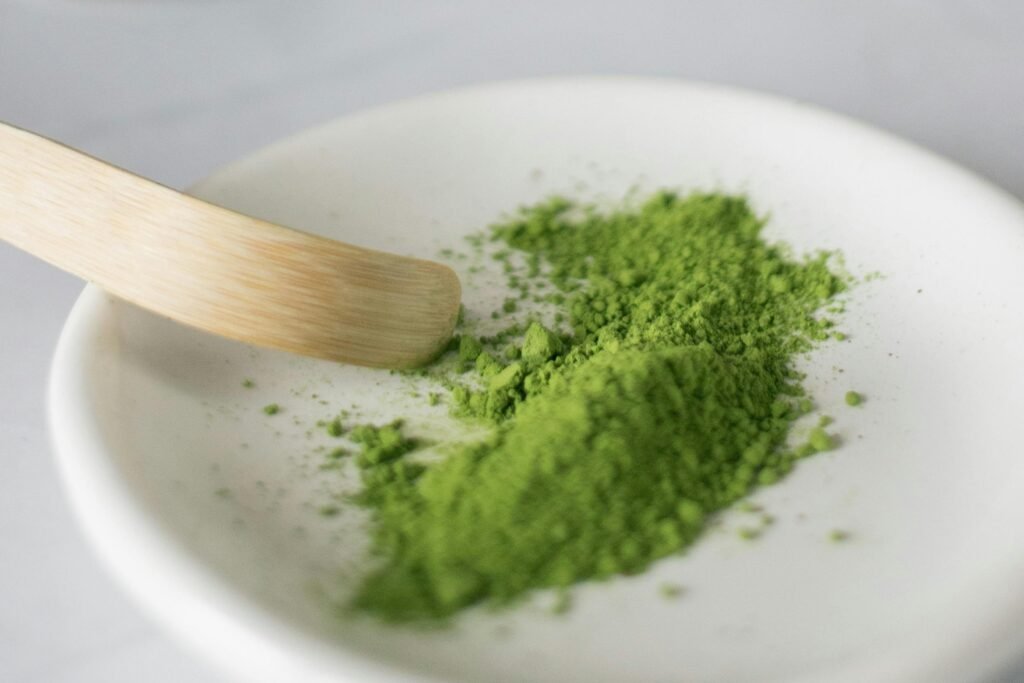
Keywords: green tea digestion, green tea for gut health, antioxidant tea for inflammation
While known for its energy and antioxidant benefits, green tea is also fantastic for digestion. It’s rich in polyphenols called catechins, which have anti-inflammatory effects and may promote the growth of healthy gut bacteria. The mild caffeine content can also gently stimulate digestive motility.
Best For: Supporting overall gut health, reducing inflammation, and providing a gentle digestive boost.
How to Brew: Be careful not to use boiling water, as it can make green tea bitter. Use water around 175°F (80°C) and steep for 2-3 minutes.
Pro Tip: If caffeine is a concern, opt for a decaffeinated green tea, which still contains beneficial polyphenols.
💚 Our Top Pick: VAHDAM, Organic Green Tea Leaves
This high-quality, sourced-directly-from-India green tea is full of flavor and antioxidants. It’s a perfect daily drinker for holistic gut health. (Affiliate Link)
6. Dandelion Root Tea: The Liver Lover

Keywords: dandelion root tea bloating, dandelion tea for liver detox, bitter tea for digestion
Don’t dismiss this common weed! Dandelion root, especially when roasted, makes a rich, coffee-like tea that is incredible for digestion. It acts as a natural diuretic, helping to reduce water-weight bloat. More importantly, its bitter compounds stimulate bile production from the liver, which is essential for breaking down fats.
Best For: Supporting liver function, improving fat digestion, and reducing water retention.
How to Brew: Steep a dandelion root tea bag or 1 tsp of loose root in boiling water for 5-10 minutes.
7. Senna Tea: The Occasional Relief

Keywords: senna tea for constipation, natural laxative tea, relief from occasional constipation
Important Note: Senna tea is a powerful stimulant laxative and should be used with caution and only for short-term relief. It’s not a daily tea but rather a tool for occasional constipation. The compounds in senna (sennosides) irritate the lining of the bowel, which produces a laxative effect.
Best For: Short-term, occasional relief from constipation.
How to Brew: Follow package instructions carefully. Do not steep for longer than recommended, as this increases strength.
A Note of Caution: Do not use senna for more than two weeks without consulting a doctor, as it can lead to dependency and electrolyte imbalance.
Brewing Your Way to Better Gut Health
Incorporating these teas into your daily routine is a simple and enjoyable ritual. Listen to your body to discover which teas work best for you. Maybe you start your day with green tea, enjoy a cup of peppermint after lunch, and wind down with chamomile in the evening.
Remember, while these teas are powerful allies, they are part of a holistic approach to health that includes a balanced diet, plenty of water, and regular exercise. If you have chronic or severe digestive issues, please consult a healthcare professional.
Conclusion: Your Gut Will Thank You
From the refreshing zing of peppermint to the deep, roasted notes of dandelion root, nature provides a tea for every digestive need. These seven teas offer a natural, gentle, and effective way to support your digestive system, reduce discomfort, and promote overall well-being. It’s time to move beyond just enjoying tea for its taste and start harnessing its incredible healing power.
Ready to transform your gut health one cup at a time?
Explore our curated list of recommended products above to find the highest-quality, most effective teas on the market. Each purchase through our links supports our mission to bring you the best wellness advice at no extra cost to you.
What’s your go-to tea for digestion? Did we miss any of your favorites? Share your experiences and questions in the comments below—we love hearing from you!
Don’t forget to pin this article to your Pinterest wellness board and share it with a friend who needs a happier gut!