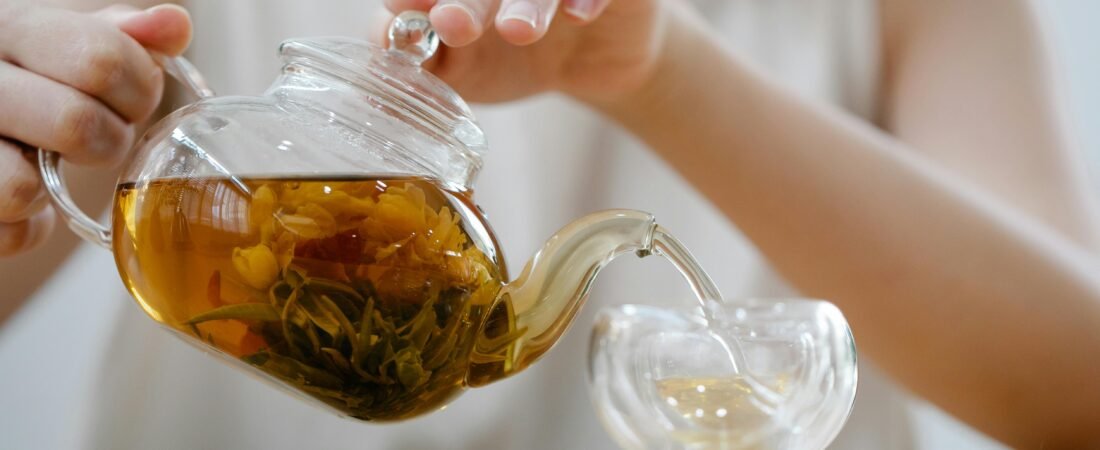
In our fast-paced, modern world, the quest for natural and sustainable wellness practices is more vibrant than ever. We find ourselves looking to the past for wisdom, seeking ways to slow down, reconnect, and nurture our bodies and minds. Amidst the myriad of options, one ancient ritual stands out for its simplicity, profundity, and global reverence: the practice of tea healing traditions.
For thousands of years, across continents and cultures, tea has been far more than a mere beverage. It has been a cornerstone of medicine, a catalyst for connection, a tool for spiritual awakening, and a daily ritual of self-care. From the meticulous ceremonies of Japan to the herbal wisdom of European apothecaries, tea healing traditions have offered a path to balance and well-being.
Welcome to TeaHealingHub, your guide to blending the ancient art of tea with the needs of modern life. In this article, we will journey through time and across the globe to explore these powerful tea healing traditions. We’ll uncover their history, understand their benefits, and discover practical ways to weave their wisdom into your daily routine for enhanced wellness. Prepare to see your cup of tea in a whole new light.
What Are Tea Healing Traditions? More Than Just a Drink
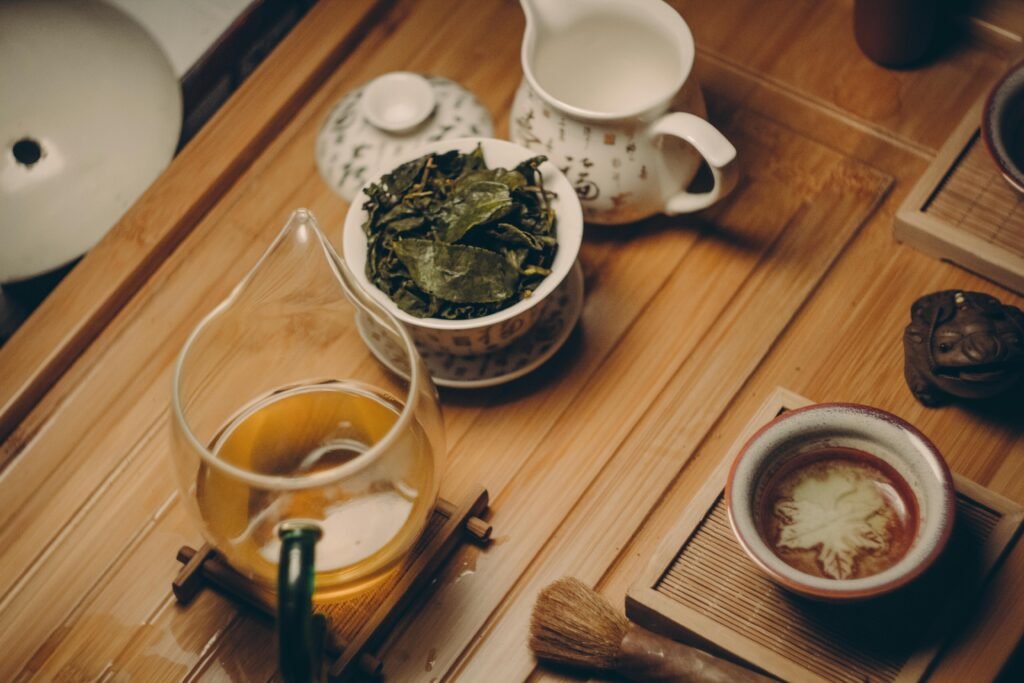
At its core, tea healing traditions represent the intentional use of the Camellia sinensis plant and other herbal infusions (tisanes) to promote physical, mental, and spiritual health. This is not a single practice but a rich tapestry of global customs where tea is viewed as a therapeutic ally.
These traditions are built on a few key principles:
- Intentionality: Tea is prepared and consumed with purpose and mindfulness, not on autopilot.
- Connection: It fosters a connection to nature, to community, and to oneself.
- Holism: It addresses the whole person—body, mind, and spirit—rather than just a single symptom.
A Journey Through Global Tea Healing Traditions
The story of tea as medicine is a global one. Let’s explore some of the world’s most profound tea healing traditions.
1. Traditional Chinese Medicine (TCM): The Foundation of Tea Healing
In China, the birthplace of Camellia sinensis, tea is deeply intertwined with Traditional Chinese Medicine (TCM). For over 4,000 years, tea has been used to balance the body’s vital energy, or Qi (pronounced “chee”).
- The Philosophy: TCM views health as a state of balance between opposing forces (Yin and Yang) and the harmonious flow of Qi through the body’s meridians. Illness arises from blockages or imbalances.
- Tea’s Role: Different teas possess inherent energies (warming, cooling, neutral) and are used to correct these imbalances. For example:
- Green Tea (Cooling): Used to clear heat and toxins from the body, reduce inflammation, and calm the mind.
- Pu-erh Tea (Warming): prized for its ability to aid digestion, metabolize dampness, and promote weight management.
- Herbal Tisanes: Beyond true tea, TCM uses a vast pharmacopoeia of herbs like chrysanthemum (for cooling), goji berries (for nourishing blood), and ginger (for warming) in healing brews.
2. Ayurveda and Chai: The Spiced Path to Balance
From India comes Ayurveda, one of the world’s oldest holistic healing systems. Ayurveda teaches that the universe is composed of five elements, which manifest in the body as three life forces or doshas (Vata, Pitta, and Kapha). Health is achieved by balancing one’s unique doshic constitution.
- The Philosophy: Ayurveda emphasizes digestion as the root of health. A strong “digestive fire” (Agni) is essential for processing not only food but also experiences and emotions.
- Tea’s Role: The famous Masala Chai is a perfect example of an Ayurvedic healing brew. Each spice is chosen for its medicinal properties:
- Ginger & Black Pepper: Kindle Agni and improve digestion.
- Cinnamon: A warming spice that helps balance Vata.
- Cardamom: Aids digestion and soothes the stomach.
- Cloves: Offer pain-relieving and antibacterial properties.
- Dosha-Specific Teas: Ayurveda recommends different teas based on one’s dosha. Pitta types might benefit from cooling mint or licorice, while Vata types would thrive on warming ginger and cinnamon.
3. Japanese Chanoyu: The Zen of Tea
In Japan, the consumption of tea, particularly Matcha, evolved into Chanoyu, “The Way of Tea.” This is less about herbal medicine and more about the medicine of presence.
- The Philosophy: Influenced by Zen Buddhism, the Japanese tea ceremony is a choreographed ritual of mindfulness, harmony, respect, purity, and tranquility. It is a moving meditation.
- Tea’s Role: The act of preparing and serving Matcha is the practice. The focus is on being utterly present in each gesture—whisking the tea, noticing its vibrant color, savoring its umami flavor. This mindfulness practice reduces stress, calms the nervous system, and brings a profound sense of peace. The L-theanine in Matcha further promotes a state of “calm alertness,” perfect for meditation.
4. Western Herbalism: The Kitchen Pharmacy
European and North American tea healing traditions have their roots in “simpling” – the practice of using single herbs from the kitchen garden or local fields to treat common ailments.
- The Philosophy: This is a practical, folk-based tradition focused on using what is locally available to support the body’s innate healing abilities.
- Tea’s Role: This is the world of herbal tisanes:
- Peppermint: For soothing upset stomachs and relieving tension headaches.
- Chamomile: For promoting relaxation and restful sleep.
- Echinacea & Elderberry: For supporting the immune system during cold season.
- Nettle: A nutrient-dense tonic for overall vitality.
How to Integrate Ancient Tea Healing Traditions into Modern Life
You don’t need a tearoom or a deep understanding of TCM to benefit. Here’s how to start your own practice:
- Choose with Intention: Instead of reaching for any tea, pause. Ask yourself: “What does my body need today?” Energy? Calm? Digestion support? Choose a tea that aligns with that need.
- Create a Mini-Ritual: Dedicate just 5-10 minutes. Boil the water mindfully. Smell the dry leaves. Watch the tea steep. This is your time to disconnect from digital noise and reconnect with yourself.
- Drink Mindfully: Don’t multitask. Sit quietly. Savor the aroma, the warmth of the cup, the flavor on your tongue. This act of mindfulness is a powerful antidote to stress.
- Explore Herbal Blends: Experiment with traditional herbs like ginger, turmeric, hibiscus, and holy basil (Tulsi) to discover what resonates with your body.
💚 Our Top Pick: Pukka Herbs Organic Tea Collection
Pukka Herbs, founded by an Ayurvedic practitioner, offers beautifully blended organic teas based on ancient tea healing traditions. Their “Three Ginger,” “Peppermint & Licorice,” and “Night Time” blends are perfect for modern wellness. (Affiliate Link)
💚 For a Authentic Experience: Matchaeologist Ceremonial Grade Matcha
Experience the mindfulness of Chanoyu at home with high-quality, stone-ground Matcha. This brand offers exceptional ceremonial grade powder for a truly authentic and meditative practice. (Affiliate Link)
Conclusion: Your Cup of Wellness Awaits
Tea healing traditions offer a timeless and profoundly simple message: true wellness is found in daily rituals, in connection to nature, and in mindful presence. Your daily cup of tea is a direct link to this ancient wisdom—a tool for healing that is accessible, affordable, and deeply enjoyable.
By embracing these traditions, we don’t just drink tea; we partake in a global legacy of healing. We transform a routine act into a sacred ritual of self-care, finding modern wellness in an ancient cup.
Ready to explore these traditions for yourself?
Begin your journey with our curated selections of teas and tools, chosen to help you authentically connect with these ancient practices. By using our affiliate links, you support our mission to bring this wisdom to you.
We would love to hear from you! Which tradition resonates most with you? How do you use tea for healing? Share your stories in the comments below!
Don’t forget to share this post with a friend and pin it to your wellness board to spread the healing power of tea!