
That feeling of being bloated, sluggish, or just a bit “off” after a meal is something we all experience from time to time. Maybe you enjoyed a celebratory dinner a little too much, or perhaps stress is starting to show up in your stomach. In our busy lives, digestive discomfort can feel like an unavoidable nuisance. But what if the solution was as simple and comforting (herbal teas for digestion) as brewing a cup of tea?
For thousands of years, cultures around the world have turned to the healing power of plants to soothe the stomach and promote a sense of internal balance. Today, science is catching up, confirming what traditional healers have long known: certain herbs possess remarkable properties that can calm our digestive system, support our body’s natural detoxification processes, and help us feel lighter and more comfortable.
In this comprehensive guide, we will explore the very best herbal teas for digestion. We’ll go beyond just listing names and dive into the “how” and “why” explaining the science behind how these plants work their magic on your gut. From the cooling relief of peppermint to the warming power of ginger, you’ll discover how to choose the perfect brew to support your well-being, naturally and gently. Get ready to find your new favorite remedy for feeling your best.
Understanding Digestion and “Detox”: A Simple Guide

Before we meet our herbal allies, let’s clear up what we mean by “digestion” and “detox.” These terms are often used, but not always understood.
Digestion is the complex process of breaking down the food you eat into nutrients your body can use. It involves a symphony of organs, enzymes, and gut bacteria. When this process runs smoothly, you feel great. But when it’s disrupted by poor diet, stress, or lack of sleep, you can experience bloating, gas, cramping, and that heavy, sluggish feeling.
Detox, in a wellness context, isn’t about a drastic cleanse. It’s about supporting your body’s own, always-working detoxification systems. Your liver, kidneys, colon, and even your skin are constantly filtering and removing waste products. The goal of a gentle “detox” is simply to nourish these organs so they can do their job more efficiently. This leads to reduced inflammation, clearer skin, and more energy.
The best herbal teas for digestion often support both these areas. They help your body process food effectively and assist your natural filtration systems, leading to that wonderful sensation of feeling lighter and cleaner from the inside out.
The Top Herbal Teas for a Happy Digestive System
These caffeine-free herbs are gentle, effective, and can be enjoyed any time of day. Let’s explore the top choices.
1. Peppermint Tea: The Soothing Spasm Reliever
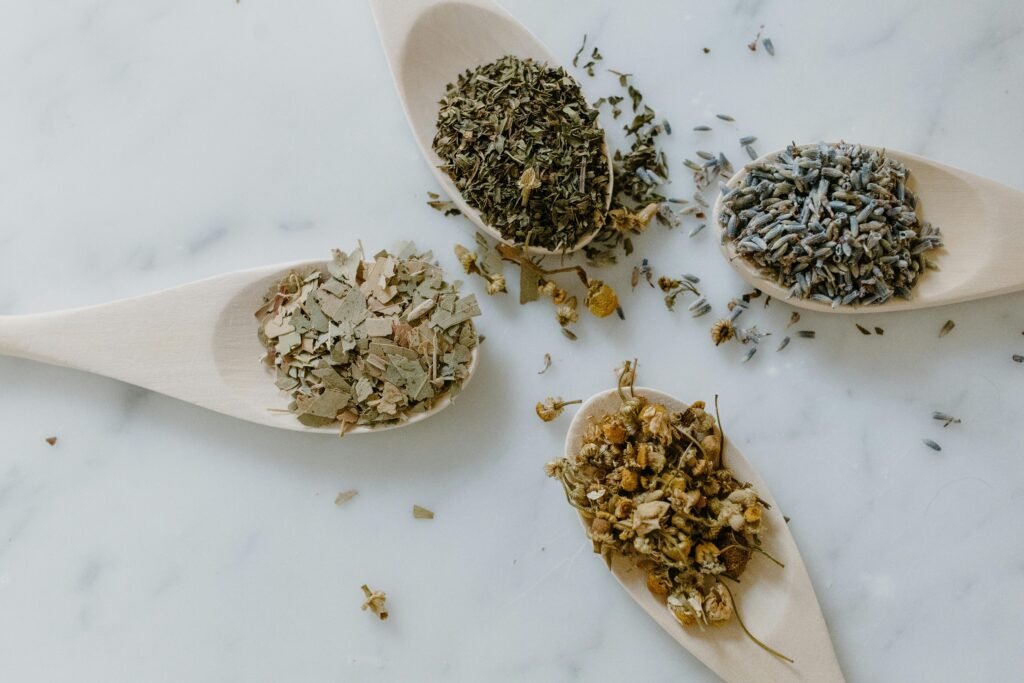
Peppermint tea is perhaps the most well-known and widely used of all herbal teas for digestion. Its cool, refreshing flavor is a clue to its calming effects.
How it Helps Digestion & Detox: The key active ingredient in peppermint is menthol. Menthol has an antispasmodic effect, meaning it helps to relax the smooth muscles of the gastrointestinal tract. This can provide relief from cramping, bloating, and gas. It’s particularly helpful for symptoms of Irritable Bowel Syndrome (IBS). By calming the digestive tract, it allows gas to pass more easily and reduces that uncomfortable “full” feeling.
Best For: Immediate relief from bloating and gas, soothing an upset stomach, and calming indigestion.
How to Brew: Steep 1-2 teaspoons of dried peppermint leaves or a tea bag in freshly boiled water for 5-10 minutes. Cover the cup while steeping to trap the beneficial volatile oils.
2. Ginger Tea: The Warming Digestive Aid

Ginger is a fiery root that has been a cornerstone of herbal medicine for centuries. Its pungent, warming properties make it a powerful digestive stimulant.
How it Helps Digestion & Detox: Ginger contains compounds called gingerols and shogaols, which speed up gastric emptying—the process by which food leaves your stomach and moves into the small intestine. This can prevent that stagnant, heavy feeling after a meal. It’s also a renowned remedy for nausea, from morning sickness to motion sickness. As a thermogenic agent, ginger gently raises body temperature, which can support circulation and metabolism.
Best For: Nausea, stimulating digestion after a heavy meal, reducing inflammation, and fighting off feelings of queasiness.
How to Brew: For the freshest tea, slice a 1-2 inch piece of fresh ginger root and simmer it in a cup of water for 10-15 minutes. You can also steep dried ginger slices in boiling water for 5-7 minutes.
3. Fennel Tea: The Bloating Banisher

If you’ve ever seen a bowl of fennel seeds at an Indian restaurant, you’ve witnessed a ancient digestive trick. Fennel tea has a mild, sweet, licorice-like flavor that is surprisingly effective.
How it Helps Digestion & Detox: Fennel seeds are carminative. This means they help break up and expel gas from the intestines, providing quick relief from bloating. They also have a relaxing effect on the intestinal muscles, which can ease cramping. Many cultures chew fennel seeds or drink the tea after meals to aid digestion and freshen breath.
Best For: Relieving gas and bloating, soothing colic in infants (always consult a doctor first), and easing abdominal cramps.
How to Brew: Crush a teaspoon of fennel seeds slightly with a spoon to release their oils. Steep in boiling water for 5-10 minutes. Strain and enjoy.
4. Dandelion Root Tea: The Gentle Liver Tonic

Dandelion is often dismissed as a weed, but its root is a prized herb for liver health. It has a rich, slightly bitter, coffee-like flavor.
How it Helps Digestion & Detox: The bitterness of dandelion root is key. Bitter flavors stimulate the production of digestive enzymes and bile. Bile is essential for breaking down fats. By supporting bile flow, dandelion root helps your body digest fatty foods more effectively. More importantly, it acts as a gentle diuretic, helping the kidneys flush out waste, and is traditionally used to support liver function—your body’s primary detox organ.
Best For: Supporting liver and kidney function, improving the digestion of fats, and as a coffee alternative.
How to Brew: Use roasted dandelion root for a deeper flavor. Steep one teaspoon in boiling water for 5-10 minutes.
5. Chamomile Tea: The Calming Anti-Inflammatory

Most people know chamomile as a bedtime tea, but its benefits for gut health are profound, especially when discomfort is linked to stress.
How it Helps Digestion & Detox: Chamomile is a powerful anti-inflammatory and antispasmodic. Stress and anxiety can directly cause digestive upset (often called “butterflies” or a “nervous stomach”). Chamomile’s calming properties help relax the nervous system, which in turn relaxes the digestive tract. This can ease stomach cramps, soothe the lining of the intestines, and promote overall digestive calm.
Best For: Digestive issues caused by stress or anxiety, relaxing before bed, and reducing inflammation in the gut.
How to Brew: Steep a chamomile tea bag or loose flowers in boiling water for 5-7 minutes. The longer it steeps, the stronger the calming effects.
Creating a Ritual for Digestive Wellness
Simply drinking these teas is helpful, but you can amplify the benefits by turning it into a mindful ritual.
- After Meals: Sip a cup of peppermint, ginger, or fennel tea about 30 minutes after eating to aid the digestive process.
- Morning Tonic: Start your day with a cup of warm water with lemon and ginger to kickstart your digestion and hydration.
- Evening Wind-Down: End your day with a cup of chamomile tea to calm your mind and gut before sleep, allowing your body to focus on repair and detoxification overnight.
Beyond the Tea Cup: Supporting Your Gut Health Holistically
While these herbal teas for digestion are powerful tools, they work best as part of a bigger picture. For lasting results, consider these habits:
- Stay Hydrated: Water is essential for every digestive process and for flushing toxins.
- Eat Mindfully: Chew your food thoroughly and eat slowly to give your digestive system a head start.
- Incorporate Fiber: A diet rich in fruits, vegetables, and whole grains promotes regular bowel movements and a healthy gut microbiome.
- Manage Stress: Since the gut and brain are deeply connected (the “gut-brain axis”), practices like yoga, meditation, and walking can directly improve your digestive health.
Supercharging Your Tea: The Role of Nutrient Density
Sometimes, digestive sluggishness can be linked to nutritional gaps. Your body needs specific vitamins and minerals to produce digestive enzymes and energy. This is where superfood supplements can add an extra layer of support.
For example, adding a spoonful of Moringa powder to your tea or morning routine is a simple way to flood your body with nutrients. Moringa is packed with:
- Fiber: To support regularity.
- Iron & B-Vitamins: Crucial for energy production, which your digestive system needs to function.
- Antioxidants: To reduce inflammation in the gut.
It’s not a direct digestive aid like ginger, but rather a foundational support. By nourishing your body at a cellular level, you provide it with the raw materials it needs to run all its systems, including digestion, more effectively. Think of it as building a strong foundation for a house—the herbs are the repairs, and the nutrients are the solid groundwork.
Affiliate Product Recommendation & Call-to-Action
If you’re interested in a simple way to add deep, cellular-level nourishment to your wellness routine, we’ve been incredibly impressed with Moringa Magic. It’s a pure, organic moringa leaf powder that we often add to our daily tea or smoothie. It’s not a medicine or a quick fix, but a daily source of vitamins, minerals, and protein that helps our bodies function at their best. When your body is well-nourished, everything, including digestion, tends to work more smoothly.

Ready to nourish your body from the inside out? Discover how the pure, nutrient-rich power of Moringa Magic can complement your healthy habits and herbal tea rituals.
Conclusion: Embrace the Comfort of Herbal Wisdom
Feeling light, comfortable, and energized is within reach. The path doesn’t have to be complicated with harsh cleanses or extreme diets. Often, it’s about returning to simple, time-tested remedies.
The best herbal teas for digestion—like peppermint, ginger, fennel, dandelion, and chamomile—offer a gentle, effective, and comforting way to support your body every day. They remind us that healing can be a peaceful ritual. By listening to your body and choosing the right herbal ally, you can soothe discomfort, support your natural detox pathways, and embrace a lasting sense of lightness and well-being.
Here’s to your health, and to many happy, comfortable cups of tea!
Disclaimer: This article is for informational purposes only and is not intended as medical advice. Always consult with a healthcare professional before using herbal remedies, especially if you are pregnant, nursing, taking medication, or have a known medical condition like gallstones or GERD. Individual results may vary.